
Anchorage AK Homes for Sale — Urban Convenience, Mountain Views, Coastal Trails
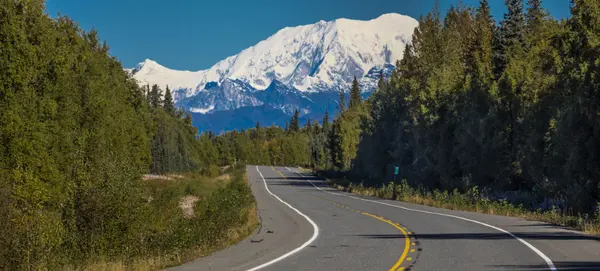
Living in Anchorage means having Alaska's full urban infrastructure — hospitals, restaurants, shopping, professional jobs — while the Chugach Mountains rise directly from your backyard. This is Alaska's largest city with approximately 291,000 residents, where the 11-mile Tony Knowles Coastal Trail runs along Cook Inlet from downtown to Kincaid Park, moose wander through neighborhoods, and on clear days you can see Denali from the highway.
Anchorage is the economic hub of Alaska — home to Providence Alaska Medical Center, the University of Alaska Anchorage, Joint Base Elmendorf-Richardson, and the state's major oil industry offices. From downtown condos starting around $150K to Hillside properties over $1M, Anchorage has the widest real estate range in Alaska — with the full-service infrastructure that Mat-Su Valley communities are 45-60 minutes from reaching.
Find Your Anchorage Home:
Latest Homes for Sale in Anchorage

$650,000
10020 Lone Tree DR, Anchorage, AK 99507
Listed by RE/MAX Dynamic Properties


$1,349,000
11060 Hideaway Lake DR, Anchorage, AK 99507
Listed by RE/MAX Dynamic Properties

$369,000
8925 Joy Circle CIR, Anchorage, AK 99518
Listed by Real Broker Alaska

$212,000
9720 Vanguard DR 24, Anchorage, AK 99507
Listed by True North Property Managment


$865,000
10380 Honey Bear LN, Anchorage, AK 99516
Listed by Congress Realty, Inc


$239,000
6420 E Northern Lights BLVD 7B, Anchorage, AK 99504
Listed by RE/MAX Dynamic Properties

$233,000
8101 Peck AVE #D29, Anchorage, AK 99504
Listed by RE/MAX Dynamic Properties

$88,000
1200 W Dimond Blvd BLVD 1304, Anchorage, AK 99515
Listed by E C Realty, Inc

$307,000
1501 W 11th AVE #13, Anchorage, AK 99501
Listed by Jack White Real Estate

$270,000
1700 Cleveland AVE, Anchorage, AK 99517
Listed by Frontier Realty Solutions

$435,000
2201 Lake George DR, Anchorage, AK 99504
Listed by Herrington and Company, LLC

$350,000
3100 Doil DR, Anchorage, AK 99507
Listed by Herrington and Company, LLC


$300,000
5225 E 26th AVE, Anchorage, AK 99508
Listed by Jack White Real Estate


$255,000
6943 Gold Kings Avenue AVE #C, Anchorage, AK 99504
Listed by Real Estate Brokers of Alaska


$2,295,000
10554 Whitby CIR, Anchorage, AK 99515
Listed by RE/MAX Dynamic Properties

$1,250,000
10974 Sky Ridge DR, Anchorage, AK 99516
Listed by Firebird Realty, LLC
explore listings in Anchorage
Explore Mat-Su Valley & Alaska Communities
Anchorage at a Glance
Alaska's largest city — where urban convenience meets wilderness access
Alaska's Urban Hub with Mountain Views
Anchorage is Alaska's only true city — home to 40% of the state's population, the majority of its professional jobs, and full urban services from hospitals to malls. Yet the Chugach Mountains form the eastern skyline, Cook Inlet wraps the western edge, and over 250 miles of trails thread through neighborhoods. No other American city this size puts wilderness this close to downtown.
Property Types Available
Downtown condos and townhomes from $150K-$250K. Starter homes in Mountain View, Fairview, and Muldoon from $250K-$350K. Mid-range homes in Sand Lake, Abbott Loop, and Midtown from $350K-$500K. South Anchorage homes in Huffman-O'Malley and Rabbit Creek from $450K-$650K. Hillside mountain-view properties and premium homes from $600K-$1M+. Median home value approximately $394K.
World-Class Outdoor Access
The Tony Knowles Coastal Trail runs 11 miles along Cook Inlet. Chugach State Park borders the city with Flattop Mountain — Alaska's most-climbed peak — just 20 minutes from downtown. Kincaid Park provides 1,400 acres of trails and Nordic skiing. Far North Bicentennial Park adds 4,000 more acres. Ship Creek offers urban salmon fishing in summer. Over 250 miles of maintained trails connect neighborhoods to wilderness.
Community Character
Anchorage is a diverse, relatively young city (median age 35) with a multicultural population shaped by military families, oil industry workers, healthcare professionals, and Alaska Native communities. The Anchorage Bowl — the area most people think of as "Anchorage" — contains over 40 distinct neighborhoods, each with its own character, price range, and lifestyle feel. The city blends urban energy with a deeply outdoor-oriented culture.
Key Neighborhoods
- Downtown / South Addition — walkable, urban core
- Midtown — central, convenient, commercial hub
- Sand Lake / Bayshore-Klatt — family suburban
- Hillside / Rabbit Creek — mountain views, larger lots
- Turnagain — inlet views, coastal trail access
- Abbott Loop / Huffman-O'Malley — family, good schools
Commute & Transportation
- Most Anchorage Bowl drives: 15-25 min
- Eagle River: ~20 mi north, 20-30 min
- Wasilla: ~42 mi north, 45-55 min via Glenn Hwy
- Palmer: ~42 mi northeast, 45-55 min
- Girdwood: ~40 mi south, 45 min via Seward Hwy
- Ted Stevens Intl Airport: within Anchorage Bowl
Schools & Education
- Anchorage School District (ASD) — largest in AK
- ~60 elementary, ~10 middle, ~10 high schools
- Charter options: Aquarian, Rilke Schule, Frontier
- University of Alaska Anchorage (UAA)
- Alaska Pacific University
- School quality varies significantly by neighborhood
Buyer Insights
- Median home value: ~$394K (Zillow, 2025)
- Median sale price: ~$400K
- Homes go pending in ~20 days on average
- Property tax: ~1.4% ($5,600 on a $400K home)
- Natural gas heating (more affordable than fuel oil)
- No state income tax, no state sales tax
Considering a move to Anchorage? The guide below covers neighborhoods, real estate details, commute considerations, schools, recreation, costs, and honest trade-offs — everything you need to decide if Anchorage's urban-meets-wilderness lifestyle is the right fit for you.
Complete Guide to Living in Anchorage, Alaska
Your honest guide to Alaska's largest city — neighborhoods, real estate, outdoor access, and the trade-offs of urban Alaska living
Living in Anchorage: Daily Life in Alaska's Urban Hub
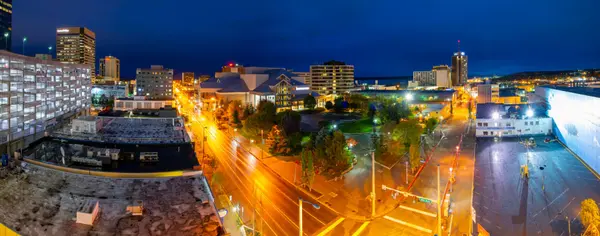
Anchorage is the only place in Alaska where you can walk to a restaurant, catch a movie, browse a bookstore, visit a specialist doctor, and fly nonstop to Seattle — all in the same day. With approximately 291,000 residents making up about 40% of Alaska's total population, this is the state's economic, medical, and cultural center. The 5th Avenue Mall downtown is where you'll find the only Apple Store, Sephora, and Coach in the entire state. Dimond Center in South Anchorage is the largest enclosed mall in Alaska at 728,000 square feet with bowling, an ice rink, and a movie theater under one roof.
But what makes Anchorage fundamentally different from any comparably sized city in the Lower 48 is the wilderness. The Chugach Mountains rise directly from the eastern neighborhoods. Cook Inlet forms the western boundary, carrying tides that can swing over 30 feet. Moose walk through front yards, bears appear on hillside trails, and bald eagles perch along Ship Creek downtown — where office workers fish for king salmon on lunch breaks in July.
The city operates on seasonal rhythms more than most urban areas. Summer days stretch past 19 hours of light, and Anchorage comes alive with outdoor farmers markets, festivals, and midnight softball leagues. Winter brings roughly 5.5 hours of daylight at the solstice, snow that stays from October through April, and temperatures that regularly drop below zero. The city maintains over 250 miles of trails for year-round use, and locals shift from cycling and hiking to cross-country skiing and fat-tire biking without missing a beat.
What You Need to Know About Services
Anchorage is the service hub for the entire state. Providence Alaska Medical Center is the state's largest hospital. Ted Stevens International Airport offers direct flights to major Lower 48 cities and serves as a global cargo hub. Grocery options include Fred Meyer, Carrs/Safeway, Costco, Walmart, and Natural Pantry. Municipal services — water, sewer, natural gas, trash collection, paved roads, street lights — are standard throughout the Anchorage Bowl. This is a significant difference from Mat-Su Valley communities where well, septic, and fuel oil are typical.
Neighborhoods: Understanding Anchorage's Geography
The Anchorage Bowl — the area most people mean when they say "Anchorage" — contains over 40 distinct neighborhoods spread between the Chugach Mountains to the east and Cook Inlet to the west. Each has its own character, price range, and trade-offs. Here are the areas most relevant to homebuyers:
Downtown and South Addition
Downtown is Anchorage's walkable urban core — the only truly walkable neighborhood in the state. Condos, townhomes, and small-lot homes near the Park Strip and coastal trail. South Addition offers character homes on tree-lined streets within walking distance of restaurants, shops, and the performing arts center. Prices range from $150K for a condo to $500K+ for a single-family home. Trade-off: smaller lots, older building stock, higher urban density for Alaska.
Midtown
Midtown is Anchorage's central commercial district — the geographic and practical center of the city. Anchored by major retail along Northern Lights and Benson Boulevards, it offers short commutes to everywhere in the Bowl. A mix of condos, older homes, and some newer construction. More affordable than South Anchorage neighborhoods. Trade-off: commercial feel, more traffic, less mountain view access.
Sand Lake and Bayshore-Klatt
Sand Lake and Bayshore-Klatt are among Anchorage's most popular family neighborhoods, located in the southwest Bowl near Kincaid Park. Suburban homes on moderate lots with good school access. Prices typically $350K-$550K for a 3-4 bedroom home. Close to Dimond Center, Raspberry Road recreation, and coastal trail access. Trade-off: not the mountain view corridor, typical suburban development.
Hillside and Rabbit Creek
Hillside and Rabbit Creek are Anchorage's premium residential areas, climbing the western slope of the Chugach Mountains. Larger lots, mountain and inlet views, and direct trail access to Chugach State Park. Prices range from $500K to well over $1M. Trade-off: steep driveways in winter require serious maintenance, longer commute to Midtown and downtown, higher utility costs for larger homes, and earthquake-prone soils on some hillside parcels.
Turnagain
Turnagain is one of Anchorage's most desirable neighborhoods, perched above Cook Inlet with views of Denali, Sleeping Lady, and the Alaska Range on clear days. Homes front directly on the Tony Knowles Coastal Trail. Established neighborhood with mature trees, character homes, and strong demand. Prices typically $400K-$700K. Trade-off: Turnagain was heavily affected by the 1964 earthquake, and some parcels carry geological risk that should be investigated during due diligence.
Abbott Loop, Huffman-O'Malley, and South Anchorage
Abbott Loop and Huffman-O'Malley form the family-friendly corridor of South Anchorage. Good schools, established neighborhoods, parks, and relatively easy access to both the Seward Highway and New Seward Highway corridors. Homes range from $400K-$650K. South Anchorage High School and the nearby trail systems add appeal for active families.
Mountain View, Fairview, and Muldoon
Mountain View, Fairview, and Muldoon are Anchorage's most affordable neighborhoods. Starter homes, smaller lots, and proximity to JBER (Joint Base Elmendorf-Richardson). Mountain View is one of the most ethnically diverse neighborhoods in the United States, with a vibrant mix of cultures reflected in restaurants and small businesses. Homes in these areas range from $200K-$350K. Trade-off: higher crime rates in some pockets, older housing stock, and less access to the premium trail systems and mountain views of south-side neighborhoods.
Homes and Real Estate in Anchorage
Market Overview
Anchorage has the largest and most active real estate market in Alaska. The Zillow home value index is approximately $394K, with a median sale price around $400K. Homes go pending in approximately 20 days on average, making this a moderately competitive market — faster-moving than rural Mat-Su communities but not as frenzied as Lower 48 hot markets. Approximately 40-50% of Anchorage households are owner-occupied, with a significant rental market driven by military and government employees.
What You Will Find
Condos and Townhomes ($150K-$300K): Anchorage has a substantial condo market, particularly downtown, Midtown, and along major corridors. Entry-level condos start around $150K, with newer construction townhomes reaching $250K-$300K. HOA fees typically run $200-$500/month depending on amenities and building age. For a $200K condo with $300/month HOA, total monthly housing costs (mortgage + taxes + HOA + insurance) run approximately $1,750-$1,950.
Starter Single-Family Homes ($250K-$400K): Found in Mountain View, Fairview, Muldoon, and parts of Midtown. Typically 1,000-1,600 sq ft on smaller lots. Many were built between the 1960s and 1980s. At $325K with 5% down, monthly mortgage payment is approximately $2,100 before taxes and insurance, with total housing costs around $2,650/month.
Mid-Range Family Homes ($400K-$600K): The sweet spot for many Anchorage families. Found in Sand Lake, Abbott Loop, Huffman-O'Malley, and Midtown. Typically 1,600-2,400 sq ft with garages. At $475K with 10% down, total monthly housing costs run approximately $3,300-$3,600.
Premium and Hillside Properties ($600K-$1M+): Hillside, Rabbit Creek, upper Turnagain, and select South Anchorage locations. Larger lots, mountain or inlet views, direct trail access. Custom homes and newer construction. Above $1M, you enter custom-built homes with exceptional views and acreage.
Cost of Living Considerations
Anchorage has no state income tax and no state or local sales tax — a significant financial advantage. Property taxes run approximately 1.4% of assessed value (about $5,600 annually on a $400K home). Natural gas heating is standard in the Anchorage Bowl, running $2,000-$4,000 annually depending on home size and efficiency — notably cheaper than the fuel oil and propane costs in rural Mat-Su communities. Electricity through Chugach Electric or Municipal Light & Power averages $150-$250/month. Groceries run approximately 30-40% higher than the national average due to transportation costs.
When Anchorage May Not Be the Right Fit
- If you want acreage and rural space: Anchorage lots are typically 6,000-15,000 sq ft in most neighborhoods. If you want 1+ acres, you'll either pay premium Hillside prices or look at Eagle River, Chugiak, or Mat-Su Valley communities where land is dramatically more affordable.
- If you want the lowest possible home prices: Anchorage's median sale price of ~$400K is significantly higher than Wasilla (~$350K), Palmer, or Big Lake. Mat-Su Valley communities offer more home and more land for less money.
- If property taxes are a major concern: At ~1.4%, Anchorage property taxes are higher than Mat-Su Borough rates. On a $400K home, you'll pay roughly $5,600/year vs. $3,200-$4,000 in most Mat-Su communities.
- If you prefer small-town or rural character: Anchorage is a city. There is traffic, commercial development, and urban noise. If you're drawn to the quiet, space, and community feel of places like Palmer, Sutton, or Willow, Anchorage will feel different.
- If earthquake risk concerns you significantly: Anchorage sits in an active seismic zone. The 1964 Great Alaska Earthquake caused widespread damage, and the 2018 earthquake reminded residents of ongoing risk. Some neighborhoods — particularly Turnagain and portions of Hillside — have known geological vulnerabilities. Earthquake insurance is available but optional.
Location and Commutes
One of Anchorage's biggest advantages is compact geography. The Anchorage Bowl — from downtown to South Anchorage — is only about 15 miles north to south. Most drives within the Bowl take 15-25 minutes in normal conditions, which is notably shorter than what Mat-Su Valley residents face commuting to Anchorage for work.
- Within Anchorage Bowl: 10-25 minutes for most destinations
- Eagle River: ~20 miles north, 20-30 minutes via Glenn Highway
- Wasilla: ~42 miles north, 45-55 minutes via Glenn/Parks Highways
- Palmer: ~42 miles northeast, 45-55 minutes via Glenn Highway
- Girdwood: ~40 miles south, 45-50 minutes via Seward Highway
- Ted Stevens International Airport: Within the Anchorage Bowl, 15-20 minutes from most neighborhoods
- Kenai/Soldotna: ~150 miles south, approximately 2.5-3 hours via Seward Highway and Sterling Highway
The main corridors are the Seward Highway (north-south through the Bowl), Minnesota Drive, and the Glenn Highway heading northeast toward Eagle River and the Mat-Su Valley. Rush hour adds 10-15 minutes on major routes, particularly the Seward Highway and Glenn Highway interchange. People Mover bus service covers the Anchorage Bowl with limited routes. Anchorage does not have rail transit. Winter road conditions including ice, snow, and reduced visibility are a factor from October through April, but Anchorage's road maintenance is significantly better than rural communities.
Shopping and Dining
Anchorage is Alaska's only full-service shopping city. 5th Avenue Mall downtown has 5 levels and 110+ stores — including the only JCPenney, Apple Store, Coach, Michael Kors, Sephora, and Victoria's Secret in Alaska. Dimond Center in South Anchorage is the state's largest enclosed mall at 728,000 square feet. Tikahtnu Commons near Muldoon serves the northeast side with big-box retail.
Grocery options include multiple Fred Meyer, Carrs/Safeway, and Walmart locations, plus Costco, Natural Pantry, and specialty markets including Asian, Mexican, and Pacific Island grocery stores reflecting Anchorage's diverse population. Restaurant options range from local institutions like Moose's Tooth Pizza and Snow City Cafe to Thai, Korean, Samoan, and fine dining. The dining scene is notably more diverse and extensive than anywhere else in Alaska.
For residents of Mat-Su Valley communities, Anchorage is where they go for the things they can't get locally — specialty medical care, major retail, direct flights, international dining, and entertainment. Living in Anchorage eliminates those 45-60 minute drives.
Outdoor Recreation and Activities
This is where Anchorage's identity becomes truly distinctive. No other American city of comparable size has this level of wilderness access integrated into its urban fabric.
Tony Knowles Coastal Trail
The Tony Knowles Coastal Trail runs 11 miles along Cook Inlet from downtown to Kincaid Park. Used year-round for running, cycling, cross-country skiing, and fat-tire biking. The trail passes through Westchester Lagoon, Earthquake Park (which interprets the 1964 earthquake), and along mudflats where bore tides occasionally draw spectators. On clear days, Denali is visible from multiple trail viewpoints.
Chugach State Park
Chugach State Park is a half-million-acre wilderness that begins at Anchorage's eastern boundary — making it the third-largest state park in the United States and accessible from city neighborhoods. Flattop Mountain is Alaska's most-climbed peak, a moderate 3.5-mile round-trip hike with panoramic views. Other popular access points include Glen Alps, Prospect Heights, and Bird Ridge along the Seward Highway.
Kincaid Park and Far North Bicentennial Park
Kincaid Park provides 1,400 acres of trails, Nordic ski terrain, disc golf, and coastal bluff views at the southwestern tip of the Anchorage Bowl. Far North Bicentennial Park adds over 4,000 acres of singletrack mountain biking, hiking, and ski trails in southeast Anchorage. Together, these parks provide more trail acreage within city limits than most national parks.
Ship Creek Urban Fishing
Ship Creek runs through downtown Anchorage, and king salmon runs in June-July bring hundreds of anglers to fish within sight of office buildings and the railroad depot. Silver salmon follow in August-September. This is genuinely urban fishing — Alaska's signature species within walking distance of downtown restaurants.
Winter Sports
Hilltop Ski Area offers family downhill skiing within city limits. Alyeska Resort in Girdwood, about 45 minutes south, provides world-class skiing with 1,610 feet of vertical drop. Cross-country skiing at Kincaid Park, Russian Jack Springs, and the coastal trail provides groomed Nordic options. The Anchorage area hosts the Fur Rendezvous winter festival and has hosted the ceremonial start of the Iditarod Trail Sled Dog Race.
Schools and Education
The Anchorage School District (ASD) is the largest school district in Alaska, serving approximately 42,000 students across 90+ schools. The district includes roughly 60 elementary schools, 10 middle schools, and 10 high schools, plus charter and alternative options.
Notable High Schools
South Anchorage High School serves the Huffman-O'Malley and Rabbit Creek neighborhoods and is consistently among the higher-performing schools in the district. West Anchorage High School serves Sand Lake and Turnagain areas. Service High School serves the east-side neighborhoods.
Charter and Alternative Options
ASD operates several charter schools, including Aquarian Charter School (K-6), Rilke Schule (K-8 German immersion), and Frontier Charter School (homeschool support program). These provide alternatives to neighborhood-assigned schools and are open through a lottery process.
Higher Education
The University of Alaska Anchorage (UAA) is the state's largest university, offering bachelor's and master's programs across multiple disciplines. Alaska Pacific University is a private university with an outdoor-oriented academic approach.
Important note: School quality in Anchorage varies significantly by neighborhood. Researching specific school zones is essential when choosing where to buy. The neighborhood you choose directly determines your assigned schools.
Buying a Home in Anchorage: What to Consider
Key Buying Considerations
- Earthquake zones: Anchorage sits in an active seismic zone. Some neighborhoods, particularly Turnagain and portions of Hillside, have known soil instability. A seismic disclosure is standard in Anchorage transactions. Check for geotechnical reports on Hillside lots.
- Winter driveway access: Hillside properties can have steep driveways that require significant winter maintenance. Heated driveways exist on some premium properties but are expensive to operate. South and north-facing exposure matters for ice buildup.
- Municipal services vs. rural: Almost all Anchorage Bowl properties have municipal water, sewer, and natural gas — a significant advantage over Mat-Su Valley properties relying on well, septic, and fuel oil. Verify utility connections on any property near Bowl boundaries.
- Property taxes: Budget approximately 1.4% of assessed value annually. For a $400K home, that's about $5,600/year. There is a Senior Citizen/Disabled Veteran property tax exemption program.
- Neighborhood research: Anchorage's 40+ neighborhoods vary enormously in price, character, school quality, and safety. Drive neighborhoods at different times of day. Anchorage has areas where a $300K home and a $600K home can be separated by just a few blocks.
- Heating costs: Natural gas heating is standard and relatively affordable ($2,000-$4,000/year). Older homes with poor insulation will cost more. Ask for the last 12 months of utility bills.
- Flood zones: Some properties near Ship Creek, Chester Creek, and Cook Inlet may carry flood zone designations. Verify with the Municipality of Anchorage before purchasing.
Why Anchorage Commands a Premium Over Mat-Su Valley Communities
Anchorage homes cost more per square foot than comparable properties in Wasilla, Palmer, or Big Lake — but the premium reflects tangible infrastructure advantages. Municipal water and sewer eliminate $15K-$30K in well/septic replacement costs. Natural gas heating runs $1,500-$2,500/year less than fuel oil or propane systems. The average Anchorage resident saves 60-90 minutes daily by not commuting from the Valley. Add proximity to Providence Hospital, Ted Stevens Airport, and the state's largest employer base, and the higher purchase price often translates to lower total cost of living — particularly for households with Anchorage-based jobs. The calculation shifts if you work remotely or can tolerate the commute; in those cases, Mat-Su Valley's lower prices and larger properties may represent better value.
How Anchorage Compares to Nearby Communities
Anchorage vs. Eagle River: Eagle River is 20 miles north on the Glenn Highway and feels like a separate small town despite technically being within the Municipality of Anchorage. Eagle River offers more space, a tighter community feel, and slightly lower prices, while maintaining municipal services and Anchorage School District enrollment. The trade-off is a 20-30 minute commute to Anchorage proper and fewer dining/shopping options locally. For families who want Anchorage infrastructure with a small-town feel, Eagle River is the natural middle ground.
Anchorage vs. Wasilla: Wasilla is the Mat-Su Valley's commercial hub, approximately 42 miles north. Homes cost significantly less ($300K-$350K median vs. $400K in Anchorage), lots are larger, and property taxes are lower. The trade-off is a 45-55 minute commute to Anchorage, fewer dining and entertainment options, and well/septic systems instead of municipal services. Many families make this trade-off for the extra space and lower cost.
Anchorage vs. Palmer: Palmer is a smaller, agricultural town about 42 miles northeast with a historic downtown, the Alaska State Fair, and strong community identity. Lower prices and more rural character than Anchorage, but a similar commute time as Wasilla. Palmer appeals to families wanting a town feel with better schools per capita and strong community events.
Anchorage vs. Girdwood: Girdwood is 40 miles south along the Seward Highway — a mountain resort community centered on Alyeska Resort. Dramatically different feel from Anchorage: smaller, quieter, more isolated, with a resort economy. Property prices vary widely. Girdwood appeals to outdoor enthusiasts willing to trade urban convenience for ski-in living.
The Anchorage Advantage
Urban Infrastructure + Wilderness Access
Full city services, hospitals, restaurants, and shopping — with Chugach State Park, Cook Inlet, and 250+ miles of trails starting at the neighborhood edge. No other Alaska community offers both.
Alaska's Economic Hub + Job Market
Home to 40% of Alaska's population and the majority of professional employment — healthcare, government, military, energy, and transportation. The shortest commute to work of any major Alaska residential area.
Full-Service Living
Municipal water, sewer, and natural gas eliminate the well/septic/fuel oil considerations of rural Alaska. Top-tier medical care, direct flights to the Lower 48, and Alaska's widest selection of schools and services.
Explore Nearby Communities: Wasilla · Palmer · Eagle River · Girdwood
This guide reflects conditions as of early 2026. Market data, school information, and community details change over time. Always verify current conditions with a local professional before making real estate decisions.
Frequently Asked Questions About Anchorage
What can I afford in Anchorage?
Anchorage offers the widest range of housing options in Alaska. Condos and townhomes start from $150K-$250K. Starter single-family homes in areas like Mountain View, Fairview, and Muldoon range from $250K-$350K. Mid-range homes in Sand Lake, Abbott Loop, and Midtown run $350K-$500K. South Anchorage neighborhoods like Huffman-O'Malley and Rabbit Creek range from $450K-$650K. Hillside and premium properties with mountain or inlet views start at $600K and can exceed $1M. The Zillow home value index is approximately $394K, and the median sale price is around $400K.
What are the best neighborhoods in Anchorage?
The best neighborhood depends on your priorities. South Addition and Rogers Park offer walkable access to downtown with character homes. Sand Lake and Bayshore-Klatt provide family-friendly suburban living near Kincaid Park. Hillside and Rabbit Creek have mountain views and larger lots but require hillside winter driving. Turnagain offers inlet views and coastal trail access. Abbott Loop and Huffman-O'Malley balance suburban convenience with good schools. Midtown is central with easy access to everything. Each neighborhood has distinct trade-offs between price, commute, views, and convenience.
How is the commute within Anchorage?
Anchorage is compact compared to most cities its size. Most drives within the Anchorage Bowl take 15-25 minutes in normal conditions. The main corridors are the Seward Highway running north-south, Minnesota Drive, and the Glenn Highway heading northeast toward Eagle River. Rush hour adds 10-15 minutes on major routes, particularly the Seward Highway and Glenn Highway. People Mover bus service covers the Anchorage Bowl with limited routes. Anchorage does not have rail transit. Winter driving conditions including ice and snow are a factor from October through April.
What schools serve Anchorage?
The Anchorage School District (ASD) is the largest in Alaska, serving approximately 42,000 students across 90+ schools. There are roughly 60 elementary schools, 10 middle schools, and 10 high schools. Notable schools include South Anchorage High School, West Anchorage High School, and Service High School. ASD also offers charter options including Aquarian Charter School (K-6), Rilke Schule (K-8 German immersion), and Frontier Charter School. The University of Alaska Anchorage (UAA) provides higher education. School quality varies significantly by neighborhood, so researching specific school zones is important.
Is Anchorage good for families?
Anchorage is one of the best family locations in Alaska, offering the widest range of schools, youth sports, medical care, and activities. Neighborhoods like Sand Lake, Abbott Loop, and Huffman-O'Malley are popular with families for their school access and park proximity. The city has extensive youth sports leagues, community centers, libraries, and the Alaska Zoo. Providence Alaska Medical Center provides comprehensive family healthcare. The trade-off compared to Mat-Su communities is higher home prices and property taxes, with less land per dollar.
What outdoor recreation is available in Anchorage?
Anchorage has world-class outdoor access within city limits. The Tony Knowles Coastal Trail runs 11 miles along Cook Inlet from downtown to Kincaid Park. Far North Bicentennial Park offers over 4,000 acres of trails. Chugach State Park borders the city with hiking, skiing, and mountain access including Flattop Mountain, the most-climbed peak in Alaska. Kincaid Park provides 1,400 acres of trails, cross-country skiing, and disc golf. Ship Creek offers urban salmon fishing in summer. Hilltop Ski Area and Alyeska Resort in nearby Girdwood provide downhill skiing. The city maintains over 250 miles of trails.
What should I know about property taxes and costs in Anchorage?
Anchorage has no state income tax and no state sales tax, but the Municipality of Anchorage levies property taxes at approximately 1.4% of assessed value. For a $400K home, annual property taxes run approximately $5,600. Utility costs are higher than the national average, with heating costs of $2,500-$4,500 annually depending on home size and efficiency. Natural gas heating is standard in the Anchorage Bowl, which is more affordable than fuel oil used in rural areas. Homeowners insurance in Anchorage is moderate, and earthquake insurance is available but optional.
How does Anchorage compare to the Mat-Su Valley?
Anchorage offers full urban services, shorter commutes, more dining and entertainment, and larger school options. The Mat-Su Valley (Wasilla, Palmer) offers lower home prices, more land per dollar, lower property taxes, and a more rural lifestyle. A home that costs $400K in Anchorage might cost $300K-$350K in Wasilla with a larger lot. The trade-off is a 45-60 minute commute to Anchorage for work. Many families choose Mat-Su for space and value, or Anchorage for convenience and walkability. Eagle River and Chugiak offer a middle ground between the two.
What is the job market like in Anchorage?
Anchorage is Alaska's economic hub, home to approximately 40% of the state's population and the majority of its professional jobs. Major employers include Providence Health and Services, the Anchorage School District, the State of Alaska, Joint Base Elmendorf-Richardson (JBER), and oil industry companies including ConocoPhillips and Hilcorp. Healthcare, government, military, oil and gas, transportation and logistics, and tourism are the primary employment sectors. The University of Alaska Anchorage and Alaska Pacific University provide higher education and employment.
Data Sources & Verification
Market data from Alaska MLS and public aggregator sources including Zillow and Redfin. School information from Anchorage School District. Recreation information from Municipality of Anchorage Parks & Recreation and Alaska State Parks - Chugach. Employment data from Alaska Department of Labor. Commute times estimated via Google Maps. Data last verified: February 2026.
MAT-SU VALLEY LIVING & LIFESTYLE
Start Your Anchorage Home Search
Whether you are looking for a downtown condo, a family home in South Anchorage, or a Hillside property with mountain views
Your Interests First
Honest guidance on which Anchorage neighborhood fits your budget, commute, lifestyle, and long-term plans — before you commit.
Clear Communication
Straightforward answers about earthquake zones, neighborhood trade-offs, property taxes, and whether Anchorage or the Mat-Su Valley makes more sense for you.
Nothing Falls Through Cracks
Geotechnical review on hillside parcels, utility verification, school zone confirmation, and earthquake history checks — the details that matter in Anchorage real estate.
Alaska Expertise
Understanding Anchorage neighborhoods, municipal vs. rural infrastructure, seasonal market dynamics, and the real differences between city and Valley living.
THE EXPERIENCE, IN THEIR WORDS

John Lemos


Adrus Enh

Leah Zielinski