
Palmer AK Homes for Sale — Historic Mat-Su Valley Town, Mountain Views, Farmland Living
Living in Palmer means settling into a town with real roots — a walkable historic downtown built from 1930s colony farms, where the Alaska State Fairgrounds come alive every August with giant cabbages and community spirit, and Hatcher Pass alpine trails are just 10 miles north. Whether you're drawn to in-town homes near shops and schools, acreage along Farm Loop Road with mountain views, or newer subdivisions with modern construction, Palmer offers the Mat-Su Valley's most character-rich community for families, remote workers, and anyone who values small-town Alaska living with real amenities.
With Fred Meyer and Carrs grocery anchoring daily convenience, Mat-Su Regional Medical Center providing full hospital services, the Palmer Museum of History & Art preserving the colony era, and Matanuska River Park offering riverside camping and trails within walking distance of town, Palmer delivers homes from $250K starters to $750K+ acreage properties — all connected to Anchorage via the scenic Glenn Highway, just 42 miles south.
Find Your Palmer Home:
Latest Homes for Sale in Palmer

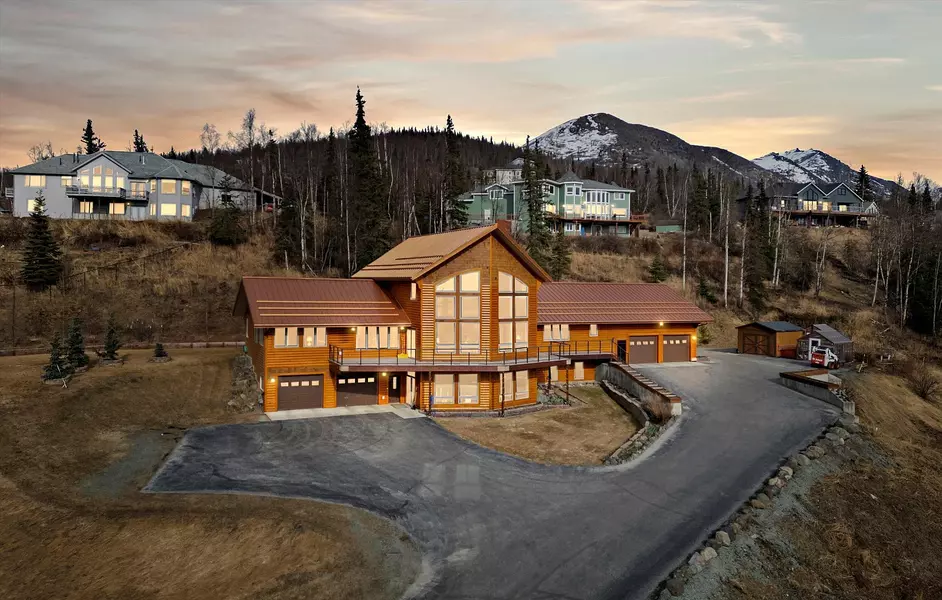
$849,000
17635 E Pine Needle WAY, Palmer, AK 99645
Listed by Northern Trust Real Estate


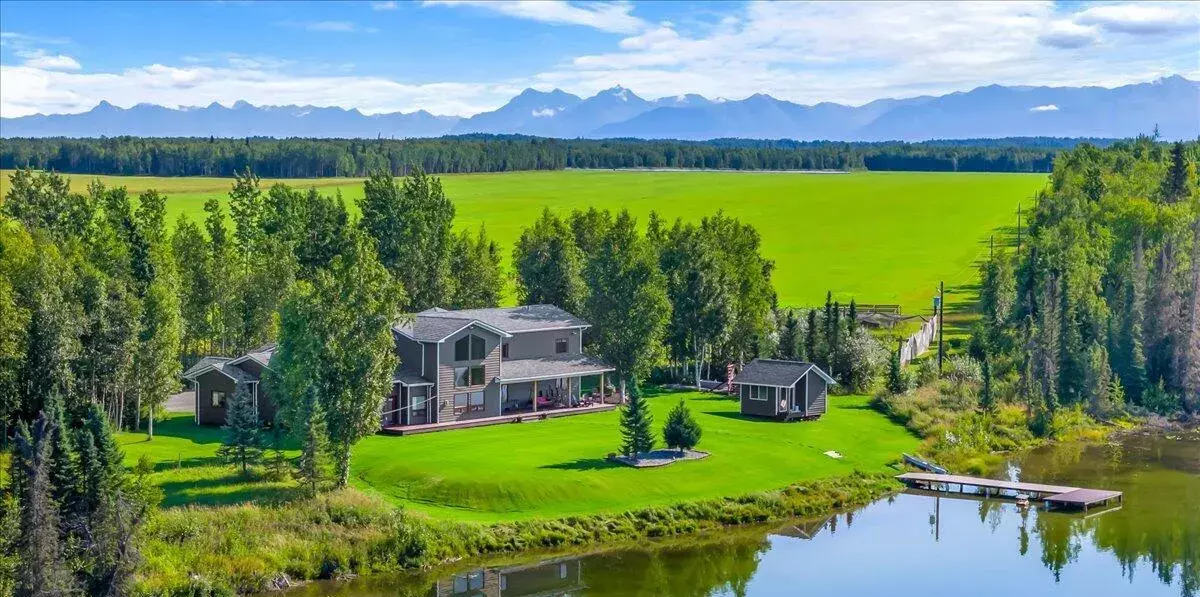
$625,000
7506 E Refuge View DR, Palmer, AK 99645
Listed by Keller Williams Realty Alaska Group

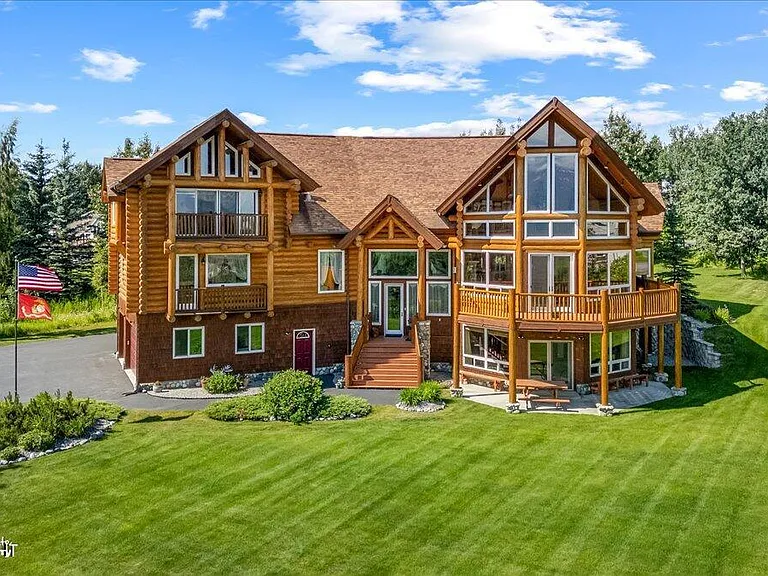
$599,000
5700 E Gershmel LOOP, Palmer, AK 99645
Listed by Jack White Real Estate Mat Su


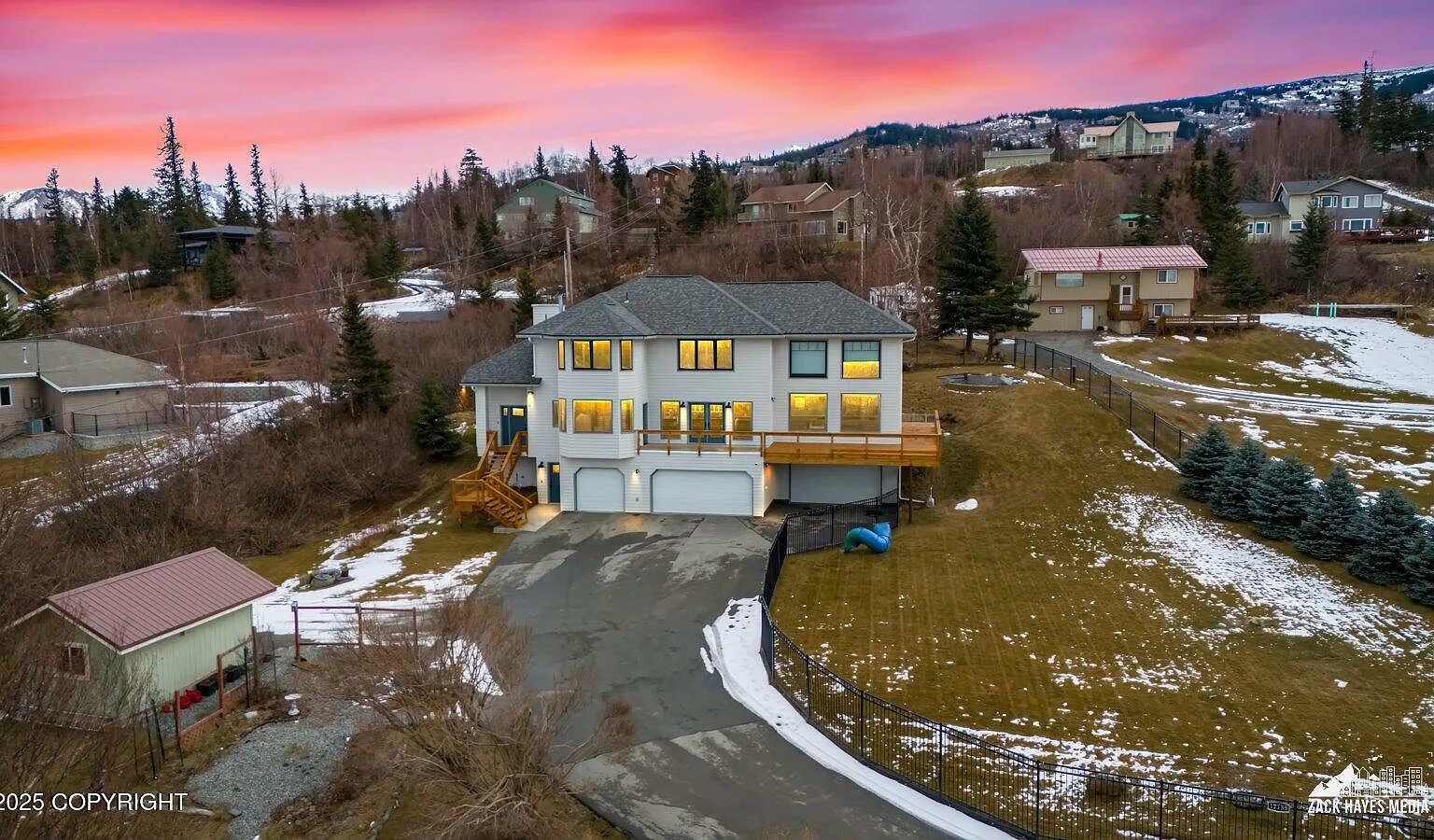
$669,000
8580 E Highlander CIR, Palmer, AK 99645
Listed by Hooligan Real Estate Hub


$575,000
15281 E Nina RD, Palmer, AK 99645
Listed by Signature Real Estate Alaska

$475,000
5528 E Edgerton Parks RD, Palmer, AK 99645
Listed by Keller Williams Realty Alaska Group of Eagle River


$475,000
1051 N Old Trunk RD, Palmer, AK 99645
Listed by Jack White Real Estate

$385,000
1830 N Finger Lake RD, Palmer, AK 99645
Listed by Herrington and Company, LLC

$629,000
5939 S Gates ST, Palmer, AK 99645
Listed by Keller Williams Realty Alaska Group of Wasilla


$450,000
1145 W Joan of Arc RD, Palmer, AK 99645
Listed by Keller Williams Realty Alaska Group of Wasilla

$550,000
15220 E Lazy Lady LN, Palmer, AK 99645
Listed by RMG Real Estate Valley Office


$555,998
1800 N Equestrian PL, Palmer, AK 99645
Listed by Elite Real Estate Anchorage Branch

$439,000
8285 N Onondaga, Palmer, AK 99645
Listed by Keller Williams Realty Alaska Group of Eagle River

$130,000
1553 E Hidden Ranch LOOP, Palmer, AK 99645
Listed by Keller Williams Realty Alaska Group of Wasilla

$130,000
1453 E Hidden Ranch LOOP, Palmer, AK 99645
Listed by Keller Williams Realty Alaska Group of Wasilla

$120,000
1454 E Hidden Ranch LOOP, Palmer, AK 99645
Listed by Keller Williams Realty Alaska Group of Wasilla

$130,000
1533 E Hidden Ranch LOOP, Palmer, AK 99645
Listed by Keller Williams Realty Alaska Group of Wasilla

explore listings in Palmer
Explore Other Mat-Su Valley & Alaska Communities:
About the Area You're Browsing
Coffee at a downtown Palmer café with Pioneer Peak towering behind historic storefronts, kids walking to Sherrod Elementary along tree-lined streets, and the Matanuska River winding through the valley floor. Palmer's pace is unhurried but connected — Anchorage is 42 miles south on the Glenn Highway, while daily life stays grounded in community. Browse Palmer homes above to find where your Alaska life begins.
In-town homes near downtown and schools ($300K-$500K), newer construction in established subdivisions ($400K-$650K), acreage and farmland properties along Farm Loop and Bodenburg Butte ($450K-$750K+), and smaller homes and cabins starting around $250K. Filter homes above by the setting that fits your lifestyle.
Hatcher Pass offers alpine hiking, backcountry skiing, and Independence Mine gold rush history just 10 miles north. Matanuska River Park provides riverside trails and camping within walking distance of downtown. The Matanuska Glacier — Alaska's largest road-accessible glacier — is an hour east on the Glenn Highway. Palmer Golf Course offers Chugach Mountain views.
Home of the Alaska State Fair each August, a walkable historic downtown with boutique shops and local restaurants, the Musk Ox Farm, and a colony heritage dating to 1935. Palmer is the Mat-Su Borough seat and maintains genuine small-town values — Saturday farmers markets, Colony Days celebrations, and neighbors who know each other by name.
Quick Facts About Palmer
Downtown Palmer (walkable, historic, schools nearby, $300K-$500K), Farm Loop/Bodenburg Butte (acreage, mountain views, $400K-$750K+), Lazy Mountain area (rural residential, larger lots, $350K-$600K), and the Butte area east of town (agricultural, spacious, $300K-$550K).
42 miles to Anchorage via Glenn Highway (45-55 minutes). Alternate route via Old Glenn Highway (scenic, slightly longer). Mat-Su Borough government offices, Mat-Su Regional Medical Center, and school district headquarters are all in Palmer. 3% local sales tax applies within city limits.
Matanuska-Susitna Borough School District — Alaska's second largest. Palmer schools include Pioneer Peak Elementary (PK-5), Sherrod Elementary (K-5), Swanson Elementary (PK-2), Palmer Middle School (6-8), Palmer High School (9-12), and Colony High School (9-12). Academy Charter School ranks among the district's top performers.
Current market: median list price approximately $450K with 70-90 days on market in winter, 40-60 days in summer. Average sale price around $460K. Best value in established in-town neighborhoods; premium for acreage with mountain views and Farm Loop properties. Seasonal inventory peaks spring through fall.
Want to Know More About Living in Palmer?
If you're considering the homes above, here's what daily life actually looks like in the Mat-Su Valley's most historic community — from commute realities and winter considerations to schools, recreation, and the unique small-town Alaska lifestyle that draws people here.
Complete Guide to Living in Palmer, Alaska
Your honest guide to daily life, real estate, and community in the Mat-Su Valley's most historic town
Living in Palmer: Daily Life in a Colony Town
Mornings in Palmer start with Pioneer Peak catching first light above a downtown built from Depression-era colony farms — log-cabin storefronts, local coffee shops, and a walkable main street that hasn't lost its character to strip malls. Kids walk or bus to Sherrod Elementary and Pioneer Peak Elementary while parents head to jobs at the Mat-Su Borough offices, Mat-Su Regional Medical Center, or south on the Glenn Highway toward Anchorage. Saturdays bring farmers markets in summer, the Friday Fling street fair, and year-round trips to the Musk Ox Farm or Reindeer Farm out along the Old Glenn Highway. Every August, the Alaska State Fair transforms Palmer into the state's biggest gathering — 12 days of concerts, carnival rides, and giant vegetable weigh-offs that draw visitors from across Alaska. In winter, Hatcher Pass backcountry skiing, snowmachining on valley trails, and the northern lights visible from your own property make Palmer feel like the Alaska that people imagine when they think about moving here.
Homes and Real Estate in Palmer
Current Market Overview
Palmer's housing market reflects its appeal as the Mat-Su Valley's most character-rich community. The median list price sits around $450K with an average sale price of approximately $460K. Properties spend a median of 70-90 days on market during winter and 40-60 days in summer, with seasonal inventory peaking spring through fall. Palmer's market benefits from its position as the borough seat, home to the school district headquarters and Mat-Su Regional Medical Center, and from growing remote-worker demand among buyers choosing small-town lifestyle over urban density.
Neighborhood Character and Pricing
Downtown Palmer ($300K-$500K): Walkable streets near shops, restaurants, schools, and the fairgrounds. Older homes with character, many on established lots. This is where you'll find Palmer's most in-town living experience — proximity to everything with neighborhood charm. Ideal for buyers who want to walk to coffee shops and schools.
Farm Loop / Bodenburg Butte ($400K-$750K+): Rolling farmland with mountain views, original colony farm parcels, and newer custom homes on acreage. Bodenburg Butte offers the most dramatic views in the Mat-Su Valley. Properties here tend to be larger — 2 to 40+ acres — appealing to buyers who want space, gardens, livestock, and genuine Alaska landscape. Many properties on well and septic.
Lazy Mountain Area ($350K-$600K): Northeast of downtown, Lazy Mountain properties offer hillside views and a rural residential character. Larger lots, wooded parcels, and a quieter pace. Road access and maintenance vary by subdivision — some roads are borough-maintained, others are private. Good option for buyers wanting seclusion close to town.
Butte Area / East Palmer ($300K-$550K): Agricultural land and larger lots east of the city center along the Glenn Highway. Includes the historic Butte community with Butte Elementary School. Properties range from modest homes on large lots to newer construction. The Matanuska Glacier and Sutton are further east along the scenic Glenn Highway corridor.
When Palmer Might Not Be the Right Fit
- If you need big-box retail nearby: Palmer has Fred Meyer and Carrs, but Target, Walmart, and Home Depot are in Wasilla — 10 miles west along the Palmer-Wasilla Highway.
- If you want newer subdivision construction: Wasilla has more active new-build subdivisions. Palmer's inventory skews toward established homes and custom builds on acreage.
- If budget is under $250K: Limited inventory at this price point. Consider Wasilla or Big Lake for more entry-level options.
- If commuting daily to south Anchorage: Palmer adds 10-15 minutes compared to Wasilla for the Anchorage commute. Eagle River or Chugiak may be more practical for daily commuters.
Location & Commutes
Getting to Anchorage
The Glenn Highway connects Palmer to Anchorage — approximately 42 miles and 45-55 minutes in normal conditions. The Old Glenn Highway provides a scenic alternate route through the Butte area and along the Knik River, adding about 10 minutes but offering views of Knik Glacier and Pioneer Peak. Winter driving conditions can extend commute times; the Glenn Highway is well-maintained but ice, moose crossings, and occasional whiteouts are realities. Many Palmer residents work locally at borough offices, the hospital, or the school district rather than commuting to Anchorage daily.
Local Transportation
Within Palmer, most errands are a 5-10 minute drive from downtown. The Palmer-Wasilla Highway connects to Wasilla's retail corridor in about 10 miles. Anchorage International Airport is approximately 50 miles south — about an hour's drive. The Palmer Airport serves private aviation and small aircraft. JBER (Joint Base Elmendorf-Richardson) is approximately 37 miles south, a commute some military families make from Palmer for the space and affordability trade-off.
Shopping & Daily Convenience
Palmer's shopping character matches its small-town identity. Fred Meyer and Carrs anchor grocery needs, while downtown Palmer offers boutique shopping — Alaska Chicks Company, Fireside Books, Vagabond Blues coffee shop, and locally owned restaurants including Turkey Red and Noisy Goose Café. For big-box retail (Target, Walmart, Home Depot, Lowe's), Wasilla's Parks Highway corridor is 10 miles west. Palmer has a 3% city sales tax; the borough outside city limits has no sales tax. Grocery prices run higher than the lower 48 — expect to pay more for fresh produce, dairy, and meats, as with all of Alaska.
Outdoor Activities and Parks
Hatcher Pass and Mountain Recreation
Palmer's crown jewel for outdoor recreation is Hatcher Pass, accessed via Fishhook Road just 10 miles north of downtown. The 49-mile loop road rises through the Talkeetna Mountains to Independence Mine State Historical Park, preserving Alaska gold rush history across 272 acres of alpine terrain. Summer offers hiking through wildflower meadows, berry picking, and recreational gold panning. Winter brings world-class backcountry skiing, snowboarding, and snowmachining. The road is paved and open year-round to the Hatcher Pass Lodge area; the upper loop closes seasonally.
Rivers and Glaciers
Matanuska River Park sits less than half a mile from downtown, offering riverside camping (86 sites), trails along the Matanuska River, and observation decks. The Matanuska Glacier — Alaska's largest road-accessible glacier — is an hour east at mile 102 on the Glenn Highway. Guided ice trekking, rafting trips, and glacier viewing are available. Fishing in local creeks and the Matanuska River for salmon, trout, and grayling is a way of life for many residents.
City Parks and Recreation
Palmer maintains several community parks, with the fairgrounds serving as a year-round gathering space for community events beyond the State Fair. The Palmer Golf Course has been voted one of America's most scenic, with views of the Chugach Mountains and Knik Glacier. Matanuska Lakes State Recreation Area provides additional camping, fishing, and boating. Winter recreation includes cross-country skiing trails, fat-tire biking, and snowshoeing throughout the valley.
Schools and Education
Public Schools
The Matanuska-Susitna Borough School District (MSBSD) is Alaska's second-largest district, serving approximately 19,700 students. Palmer-area schools include Pioneer Peak Elementary (PK-5, 471 students, 1959 N Stringfield Rd), Sherrod Elementary (K-5, 369 students, 561 N Gulkana St), Swanson Elementary (PK-2, 343 students, 507 N Gulkana), Butte Elementary (PK-5, 272 students, 4006 S Butte Rd), Palmer Middle School (6-8, 567 students, 1159 S Chugach), Palmer High School (9-12, 649 students, 1170 W Bogard Rd), and Colony High School (9-12, 1,092 students, 9550 E Bogard Rd).
Charter and Alternative Options
Academy Charter School is Palmer's standout — an elementary/middle charter school ranked 4th out of 173 elementary schools statewide with a 5-star rating and exceptional test scores. Mat-Su Middle College School (grades 8-12) offers college-level coursework on the Mat-Su College campus in Palmer. Valley Pathways provides flexible PK-12 options. These choices give Palmer families meaningful educational alternatives beyond the standard public school track.
Buying a Home in Palmer
Market Timing
Palmer's market follows Alaska's seasonal patterns but with a character-driven twist — buyers looking for acreage and farmland properties tend to search in summer when they can see the land, while in-town homes move year-round. Summer (May-August) brings peak inventory and buyer activity. Winter (November-February) sees reduced inventory and longer market times (70-90+ days), but also less competition. Properties with well and septic systems are easier to inspect and evaluate in warmer months when the ground isn't frozen.
Alaska-Specific Buyer Considerations
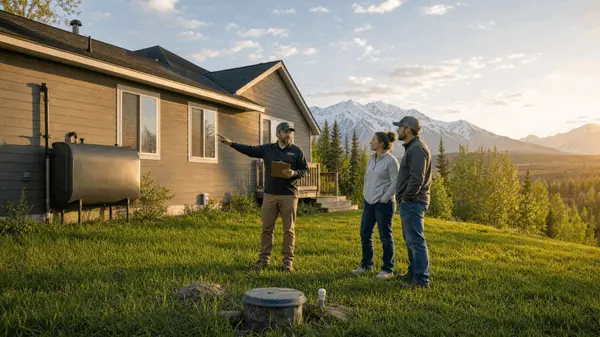
Palmer properties — especially those outside city limits — require attention to Alaska-specific factors: heating system type and condition (fuel oil vs. natural gas, backup heating sources), well water quality testing (required for financing in many cases), septic system inspection (VA and FHA loans require inspection within 90 days), road access and maintenance in winter (borough-maintained vs. private roads), snow load ratings on roofs and outbuildings, and internet/cell availability for properties in rural areas. In-town Palmer properties with city water and sewer avoid some of these considerations.
For a complete walkthrough of the Alaska buying process — from pre-approval through closing day — see our Alaska Home Buyer's Guide.
Why Local Knowledge Matters in Palmer
Palmer's real estate ranges from walkable in-town lots to multi-acre farmland parcels — each with different infrastructure realities. A home on city water and sewer in downtown Palmer is a very different purchase than a 10-acre Farm Loop property with well, septic, and a private road. Paul helps buyers understand these distinctions so you choose the right property for how you actually want to live in Alaska.
Compare Palmer to Nearby Communities
vs. Wasilla
Wasilla serves as the Mat-Su Valley's commercial hub with more big-box retail, chain restaurants, and newer subdivision construction. Palmer offers a more historic, agricultural character with a walkable downtown and stronger community identity. Wasilla has more new construction options and slightly more inventory. Palmer suits buyers who want character, space, and a quieter pace; Wasilla suits buyers who want maximum retail convenience.
vs. Big Lake
Big Lake offers lake recreation and more rural character with lower entry-level price points. Trade-offs include longer Anchorage commute times, fewer nearby services, and more properties on unpaved roads. Big Lake suits buyers who prioritize waterfront access and privacy. Palmer provides better in-town amenities, schools, and medical access while still offering acreage options.
vs. Eagle River
Eagle River provides closer Anchorage access (20 minutes vs. 45-55) with a mountain community feel, but at higher price points and with smaller lots. Eagle River suits daily Anchorage commuters. Palmer suits buyers who want more land, lower prices, and genuine small-town character — and who work locally or remotely.
vs. Sutton
Sutton sits further east on the Glenn Highway with more remote, rural character and lower price points. Properties in Sutton tend to be larger with more seclusion. Trade-offs include longer commutes to everything, fewer services, and more challenging winter road conditions. Palmer offers similar mountain access with significantly more convenience and community infrastructure.
The Palmer Advantage
Palmer is the Mat-Su Valley's most authentic community — a walkable historic downtown, colony-era heritage, the Alaska State Fair, and a genuine small-town identity that hasn't been replaced by strip malls. You're buying into a place with real history and community spirit.
From Farm Loop acreage with Bodenburg Butte views to Lazy Mountain hillside parcels, Palmer offers the land and mountain backdrop that drew you to Alaska. Space for gardens, outbuildings, and the lifestyle that makes living here worthwhile.
Hatcher Pass alpine recreation 10 miles north, the Matanuska Glacier an hour east, riverside trails within walking distance of downtown. Palmer's location at the crossroads of the Glenn Highway and Hatcher Pass Road makes it the Mat-Su Valley's outdoor adventure hub.
Nearby Community Comparisons:
Wasilla — More big-box retail and new construction, but less character and walkability
Big Lake — Lake recreation and lower prices, but longer commutes and fewer daily services
Eagle River — Closer to Anchorage with mountain feel, but higher prices and smaller lots
Sutton — More remote with lower prices, but fewer services and longer Glenn Highway commute
This guide is designed to help buyers understand what living in Palmer is actually like — the positives, the trade-offs, and the Alaska-specific realities. Local market conditions change seasonally, so reach out for current data specific to your situation and timeline.
Frequently Asked Questions About Palmer, AK
What can I afford in Palmer?
Palmer offers a broad price range: smaller homes and cabins starting around $250K, median-priced single-family homes around $450K, newer construction in established subdivisions from $400K-$650K, and properties with acreage or mountain views reaching $750K+. Palmer is generally comparable to Wasilla pricing and more affordable than Anchorage for similar home sizes.
How is the commute from Palmer to Anchorage?
Palmer to Anchorage is approximately 42 miles via the Glenn Highway, taking 45-55 minutes depending on conditions. The Old Glenn Highway offers a scenic alternate route. Winter driving adds time due to road conditions. Many Palmer residents work locally at borough offices, Mat-Su Regional Medical Center, or the school district rather than commuting to Anchorage daily.
What schools serve Palmer?
Palmer is served by the Matanuska-Susitna Borough School District, Alaska's second-largest district. Local schools include Pioneer Peak Elementary (PK-5), Sherrod Elementary (K-5), Swanson Elementary (PK-2), Palmer Middle School (6-8), Palmer High School (9-12), and Colony High School (9-12). Charter options include Academy Charter School and Mat-Su Middle College School.
Is Palmer good for families?
Palmer is popular with families due to its small-town character, walkable historic downtown, multiple schools including the highly rated Academy Charter School, and access to outdoor recreation at Hatcher Pass, the Matanuska River, and numerous parks. The Alaska State Fair each August is a community highlight. Larger lot sizes and newer subdivisions offer space for growing families.
What outdoor recreation is available in Palmer?
Palmer offers exceptional outdoor recreation. Hatcher Pass and Independence Mine State Historical Park provide alpine hiking, skiing, and gold mine history just 10 miles north. Matanuska River Park offers riverside trails and camping. The Matanuska Glacier is accessible via a one-hour drive on the Glenn Highway. Fishing, snowmachining, cross-country skiing, and dog mushing are all popular activities.
What should I know about utilities and infrastructure in Palmer?
In-town Palmer properties typically have city water and sewer, while properties outside city limits often rely on wells and septic systems. Heating costs are significant — most homes use natural gas or fuel oil. Matanuska Electric Association serves the area. Internet availability varies, with in-town properties generally having better connectivity than rural parcels. Properties on wells require water quality testing.
How quickly are homes selling in Palmer?
Palmer's market currently shows a median of approximately 70-90 days on market during winter months and 40-60 days during summer. Well-priced homes in desirable areas sell faster. The median listing price is approximately $450K with steady year-over-year appreciation. Inventory fluctuates seasonally, with more listings appearing in spring and summer.
What makes Palmer different from Wasilla?
Palmer has a more historic, agricultural character with a walkable downtown, the Alaska State Fairgrounds, and colony-era heritage. Wasilla is the Mat-Su Valley's commercial hub with more big-box retail along the Parks Highway corridor. Palmer offers more farmland and acreage properties, while Wasilla has more new subdivision construction. Palmer is accessed via the Glenn Highway; Wasilla via the Parks Highway.
Is Palmer a good area for land or acreage?
Palmer and the surrounding Butte and Farm Loop areas offer excellent opportunities for land and acreage purchases, including original colony farm lots and newer subdivisions. Properties range from quarter-acre in-town lots to multi-acre parcels with mountain views. Buyers should verify road access year-round, utility availability, and borough zoning before purchasing. Learn more in our Buyer's Guide.

MAT-SU VALLEY LIVING & LIFESTYLE
Start Your Palmer Home Search
Get honest advice and personalized guidance — no pressure, no sales pitch. Just clear information to help you make the right decision.
I work for you, not the sale. My job is to help you make the right decision — even if that means advising against a particular property.
I explain every step thoroughly and answer all your questions patiently. You'll never feel rushed or pressured — and you'll never sign anything you don't understand.
From inspections to septic tests to underwriting — I track every detail so the process stays on schedule and nothing gets missed.
I live and work in Alaska. I understand the unique considerations — from winter access and heating systems to septic requirements and seasonal market patterns.
Paul Oehlerts
Palmer & Mat-Su Valley | Real Broker LLC
The Experience, In Their Words

John Lemos


Adrus Enh

Leah Zielinski