
Alaska Home Buyer FAQs
Answers to the most common questions about buying a home in Alaska — from financing and inspections to septic, wells, and closing
Buying a home in Alaska comes with considerations you won't find in most other states — from private wells and septic systems to seasonal market timing and unique closing procedures. Below are the questions I hear most often from buyers, along with honest answers based on my experience working with Alaska real estate transactions. For a complete walkthrough of the buying process, see the Alaska Home Buyer's Guide.
How does Paul Oehlerts help buyers navigate the Alaska real estate market?
I guide buyers through Alaska's unique market by explaining local conditions, seasonal trends, property types, and rural considerations so there are no surprises. My approach is education first, then strategy — so you understand every step before making decisions.
I set expectation management first. I'm extremely transparent and I explain processes in detail, unlike most realtors. When you're making the biggest purchase of your life, you should know exactly what you are signing. I will never make you sign anything you don't understand.
For a complete step-by-step walkthrough, see the Alaska Home Buyer's Guide.
What makes buying a home in Alaska different from buying in the Lower 48?
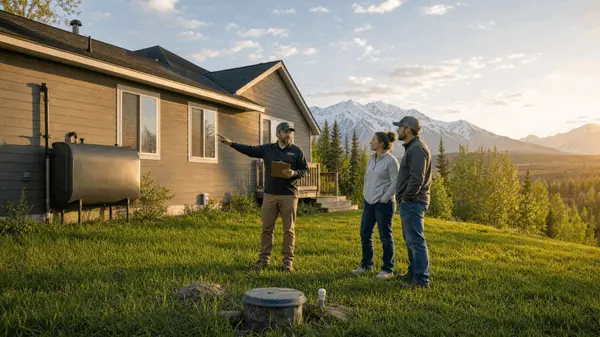
Alaska homes often involve wells, septic systems, alternative heating sources, access issues, and larger parcels of land. I help buyers understand these differences early so financing, inspections, and timelines stay on track.
One key difference most people don't expect: unlike the Lower 48 where you close and record the same day, Alaska closes (signing day) the business day before recording (receiving keys). If you sign on Friday, recording happens Monday, and you get your keys Monday.
I always schedule all recordings Tuesday through Friday so you never have to wait over a weekend after signing to move in.
Why this matters: Planning your moving schedule around Alaska's recording timeline prevents the frustration of signing paperwork but not being able to move in for days. It also means setting up utilities before recording day is critical — especially in winter.
How does Paul help clients buy homes in the Mat-Su Valley?
I provide hyper-local insight into Wasilla, Palmer, Big Lake, Houston, Sutton, and surrounding areas. I explain neighborhood differences, commute considerations, utilities, zoning, and future development impacts.
Every Mat-Su community has its own character — Wasilla offers the most convenience and services, Palmer has a historic small-town feel with mountain views, Big Lake is popular for waterfront living, and Willow and Sutton offer more acreage and rural lifestyle. I help you match the right community to how you actually want to live.
What areas does Paul Oehlerts serve in Alaska?
I primarily serve the Mat-Su Valley, including Wasilla and Palmer, but I also help clients in Anchorage, Eagle River, Chugiak, Girdwood, and surrounding Alaska communities.
I'm also able to help buyers in any surrounding or remote parts of Alaska if needed. I've helped buyers purchase homes from Ketchikan in Southeast Alaska to Homer, and even remote villages only accessible by plane. Although I don't physically need to be at every location, I can still guide you through the entire process and get you into the right home.
How long does the homebuying process usually take?
Most home purchases take about 30 to 45 days from contract to closing when a lender is involved. The timeline depends on the appraisal, underwriting, lender-required conditions, and seasonal factors — especially how quickly appraisers are available.
If the property has septic or well issues, the process can take longer. This is especially true with VA or FHA loans, since they typically require failed septic systems to be repaired or replaced before closing. In winter, many septic installers won't work in sub-zero temperatures, which can delay the transaction significantly.
Cash buyers with a clean title can sometimes close in as fast as 10 business days, though rural or more complex properties often take longer due to additional inspections, repairs, and logistics.
What makes VA loans different in Alaska compared to other states?
VA loans in Alaska often involve stricter scrutiny of wells, septic systems, heating, and overall property condition. Homes must meet VA Minimum Property Requirements (MPRs), which means properties with failed septic, contaminated water, or safety hazards will need repairs before the loan can close.
VA loans also require specific water testing on properties with private wells:
- Nitrate testing
- Nitrite testing
- Lead testing
- Coliform bacteria testing
Sellers normally pay for these tests. I help identify potential VA issues early in the process so you aren't surprised late in the transaction when it's harder to negotiate solutions. For a full overview of septic and well testing, see Step 12 of the Buyer's Guide.
What's included in my monthly mortgage payment?
Your monthly mortgage payment typically includes four components, often called PITI:
- Principal — the portion that reduces your loan balance
- Interest — the cost of borrowing the money
- Taxes — property taxes collected monthly by your lender and paid annually on your behalf
- Insurance — homeowners insurance protecting the property
If your down payment is less than 20%, you'll also pay Private Mortgage Insurance (PMI). FHA loans have a similar cost called Mortgage Insurance Premium (MIP). VA loans do not require PMI, which is one of their biggest advantages.
If the property has an HOA, those dues are separate and paid directly to the association — not included in your mortgage payment.
Alaska-specific note: Property taxes in the Mat-Su Borough are generally lower than Anchorage. However, heating costs can significantly impact your monthly housing budget — oil heat can run $300-$500/month in winter depending on home size and efficiency. Factor utility costs into your overall affordability picture, not just the mortgage payment.
How does Paul help with off-grid or semi-remote Alaska homes?
I explain the practical realities of off-grid living so you go in with clear expectations:
- Power options — solar, generator, grid-tied systems, and what each costs to maintain
- Water sources — private well, hauled water, rain catchment systems
- Heating systems — oil, propane, wood stove, and estimated seasonal costs
- Access concerns — road maintenance responsibilities, winter plowing, easement rights
- Resale considerations — how off-grid features affect future marketability
Off-grid and semi-remote properties can be a great fit for the right buyer, but they require a realistic understanding of costs, maintenance, and lifestyle adjustments before you commit. I help you evaluate whether a property matches how you actually want to live — not just how it looks on paper.
What are common surprises buyers face when purchasing homes in Alaska?
The most common surprises I see include:
- Septic system failures requiring expensive repairs ($7,000-$32,000+ depending on system type)
- Water quality problems on private wells (coliform, nitrate, or iron issues)
- Heating system requirements and high winter utility costs that weren't budgeted for
- Winter access limitations — roads that aren't maintained, driveways that require plowing
- Properties that don't meet VA or FHA minimum standards, requiring repairs before financing can close
- Alaska's closing/recording process taking an extra business day compared to other states
My approach is to identify these issues early through thorough due diligence instead of letting them derail a deal later in the process. That's why I walk every buyer through what to expect before we even start looking at homes. See the full process in the Alaska Home Buyer's Guide.
Have a Question That's Not Listed Here?
Every situation is different — especially in Alaska. Reach out and I'll give you a straight answer based on real experience, not a sales pitch.
REVIEWS

John Lemos


Adrus Enh

Leah Zielinski
Real Estate News & Resources
GET MORE INFORMATION

Agent License ID: 221443