
The Alaska Seller's Journey
From pricing strategy to closing day, no fluff — your complete roadmap to selling a home in Alaska
Schedule a ConsultationSelling your home is one of the biggest financial decisions you'll ever make. My job is to guide you through the entire process, remove stress, and help you get the highest possible return with the least amount of hassle.
This guide walks you through exactly how we price, prepare, market, negotiate, and close homes in the Mat-Su Valley and Anchorage markets — using real market behavior, online buyer activity, and a launch plan designed to get you offers fast and protect your bottom line.
Big-Picture Timeline
There are two timelines happening at the same time when you sell:
1) Time to get an offer (Listing to Under Contract): Many Alaska homes average around 60 days on market, but that depends heavily on price, condition, location, and demand. If your goal is speed, we structure the launch differently (see Step 3).
2) Time to close after going under contract: Closing can take 33-60 days depending on financing, inspections, appraisal, title, and lender speed. Most common in normal situations is 45 days or less.
So even if we accept an offer quickly, you still need to plan for the contract-to-close window.
Understanding Comps and How Your Home Is Priced
What Are Comps?
Comparables ("comps") are recent sales of similar properties in your area. They show what buyers are currently willing to pay, average price per square foot, days on market, current buyer demand, and how your home compares to nearby properties.
By analyzing comps, we set a price that is competitive, realistic, backed by actual data, and designed to attract strong buyers quickly.
Pricing Without Emotion
Sellers naturally have emotional attachment to their home. That's normal. But pricing must be unbiased and factual.
Buyers don't pay emotional value. They pay market value.
I look at the market honestly and explain what buyers are willing to pay, why homes sell for certain prices, and how your home fits into the local market. This is data-driven based on location, size, condition, age, features, and recent upgrades.
Why Data-Driven Pricing Works
Buyers compare your home to every other home in its price range. If your home is priced above what similar homes have sold for, buyers will choose the better value. Pricing based on real comparable sales puts your home where active buyers are searching — and positions it to compete, not sit.
Pricing Strategy: Why It Matters
The Danger of Overpricing
Homes priced too high:
- Sit on the market longer
- Get fewer showings
- Get fewer saves and hearts online
- Attract lowball offers
- Make buyers assume something is wrong
The longer a home sits, the harder it becomes to sell for top dollar.
The Power of Pricing It Right
Homes priced correctly from the start get more attention, more showings, often receive multiple offers, sell faster, and often sell for more money.
Sometimes pricing at or slightly below market value creates urgency and competition that drives the price higher than "testing the market" ever will.
How Buyer Behavior Drives Results
Most buyers will pay at market value. Only a small percentage will pay above market value. Most buyers will not pay more just because a seller wants more. That's why getting the price right on day one is critical — it maximizes the number of interested buyers who will compete for your home.
Online Buyer Activity: What It Really Means
Across platforms like Zillow, Realtor.com, Homes.com, Redfin, and Trulia, we track views, saves, shares, showing requests, and feedback patterns after your home goes live.
1 High Views + Low Saves
Buyers are curious, but they're not committing. This commonly signals a pricing issue, sometimes condition.
2 High Saves + Low Showings
People like it, but something stops action — often price, location, layout, or perceived repair risk.
3 Low Views Overall
The listing isn't breaking through search filters (price band, map search, beds/baths), or the first photo isn't pulling clicks.
4 Showings + No Offers
Buyers are interested enough to visit, but the in-person experience doesn't match expectations. Often price or condition.
Why We Don't Wait Forever
Buyer psychology shifts fast when a home sits. They start asking: "Why is it still sitting?" "What's wrong with it?" "They'll take less." We use early data to decide if we're positioned correctly — and adjust before momentum is lost.
The "Sell in 65 Hours" Launch Plan
If your goal is speed, we launch like a campaign. To sell fast, you need:
- Professional photos — non-negotiable
- A clean, staged-enough presentation
- Pricing that creates urgency — not "test the market"
- Maximum exposure immediately
- Showings packed into the first 48-72 hours
- An offer strategy — sometimes an offer review deadline
How Momentum Sells Homes
Fast sales come from momentum. Momentum comes from pricing + presentation + exposure working together. When a listing launches strong, multiple buyers see it at the same time, and the fear of losing out creates competitive energy. That's when homes sell above asking — not from starting high and waiting.
Preparing Your Home to Sell
First impressions are everything. Preparing your home in Alaska is about making it look clean, spacious, well-maintained, and move-in ready.
Decluttering Is Huge
Buyers need to picture THEIR life in the home — not yours. Remove personal items, pack away knickknacks, clear off counters, store extra furniture, and organize closets. The more open and clean the home feels, the more valuable it appears.
Full Home Preparation Checklist
1 Exterior Prep
Clean up landscaping. Trim bushes. Mow and edge lawn (summer) or remove snow from driveway and walkways (winter). Remove toys, bikes, clutter. Remove vehicles for photos. Clean entryway and porch.
2 General Interior
Turn on all lights. Open blinds and curtains. Replace burned-out bulbs. Use matching light bulb color temperatures. Deep clean entire home. Touch up paint. Declutter every room.
3 Bedrooms
Make all beds. Remove personal photos. Put away clothes and toys. Hide cords and devices.
4 Bathrooms
Clear countertops completely. Lower toilet seats. Remove cleaning supplies. Clean mirrors and glass. Hang clean towels. Remove rugs. Hide shampoo and soap from showers.
5 Kitchen
Clear countertops. Empty and clean sink. Put dishes away. Remove fridge magnets. Store garbage cans out of sight.
6 Pets
Remove pet food and bowls. Hide toys and kennels. Eliminate odors. Pick up all dog waste from the yard — buyers walk the property and we don't want any surprises.
Professional Photography
Most buyers see your home online first. Photos matter more than almost anything.
My wife, Julia Oehlerts, is my professional photographer with 20+ years of experience. She handles high-quality interior photos, exterior photos, drone and aerial shots, and video walkthroughs when needed.
Your home will appear on:
- Zillow
- Realtor.com
- Homes.com
- Redfin
- Trulia
- MLS
- Social media platforms
Why Professional Photos Sell Homes
Great photos equal more showings, which equal better offers. Buyers scroll through hundreds of listings — your first photo determines whether they click or keep scrolling. Professional photography captures your home in the best light, with proper angles and composition that make rooms look their true size.
Launch Day: Sign, Access, Lockbox, and Showings
"We're Live" Checklist
- Photos completed and verified for accuracy
- MLS listing activated
- Yard sign installed
- SentryLock lockbox installed
- Showing system turned on in ShowingTime
SentryLock Box: Security and Accountability
We place a SentryLock box on your home — this is not a cheap combo lock. Only licensed agents who are verified can open it using a thumbprint-verified device. Access is tied to verification through the Alaska Real Estate Commission. Even appraisers and inspectors use this controlled access process. Every access is logged, creating accountability tied to a verified professional.
How Showings Work
All showings must be requested through ShowingTime:
- Buyer's agent submits request through ShowingTime
- You receive a text and/or email notification
- You reach out to me to confirm if that time works
- Once confirmed, the showing is approved and logged
This prevents random people showing up, keeps the schedule organized, and ensures you control access.
Showing Your Home
During showings, you'll get text notifications, showing requests, and easy approval options.
Showing Tips
- Create a welcoming entrance
- Remove clutter and eliminate odors
- Open curtains and turn on lights
- Make beds and close toilet seats
- Take pets out during showings
- Keep the home tidy at all times
Extra Touches That Make a Difference
Fresh flowers, a bowl of fruit, and a comfortable thermostat setting go a long way. If the home is vacant — especially in Alaska winters — keep the heat at a comfortable level. Cold homes do NOT show well.
Inspections, Septic/Well Testing, and Appraisals
Once you're under contract, buyers will typically order a home inspection, septic inspection, and the lender orders an appraisal.
Pre-Inspection: A Powerful Seller Strategy
I often recommend doing a pre-inspection before listing. Homes with inspections already completed tend to sell faster, get stronger offers, and reduce negotiation issues.
If repairs are done ahead of time, we can market that as a selling point.
Why Pre-Inspections Strengthen Your Position
When a buyer sees that major issues have already been identified and addressed, it removes uncertainty from their decision. Fewer surprises during due diligence means fewer reasons for buyers to renegotiate or walk away. You control the narrative instead of reacting to it.
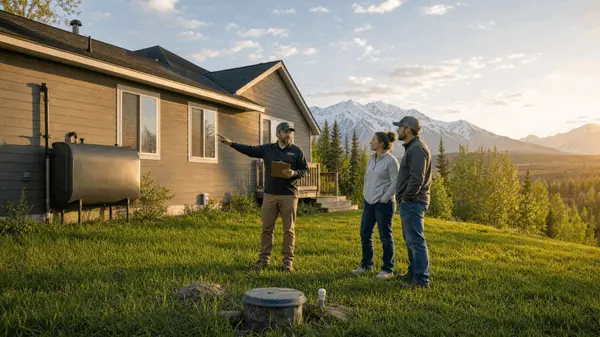
Septic and Well Testing: Alaska Reality
Who Pays?
100% of the time, sellers pay for septic and well testing. This is treated as a seller responsibility in our market.
Typical Costs
- Standard septic and well testing: $425-$650 depending on engineer and requirements
- VA water testing add-on (nitrite, nitrate, lead): +$75-$100
Because many buyers use VA financing, this additional testing matters. If it's required, it's required.
If the Septic Fails
If your septic fails, it is not on the buyer to fix it. If a seller tries to push septic replacement onto the buyer, most buyers will terminate and walk away. Buyers are making an offer expecting a fully functioning septic system.
- FHA buyers might be putting 3.5% down
- Conventional buyers can do 3.5%-20% down
- Buyers are already paying inspections, appraisal fees, moving costs, and sometimes closing costs
The last thing they want is full price plus a septic replacement bill.
Septic Repair Options If You Don't Have Cash
- Option 1 — Pay at closing: We structure it so the septic work is addressed and paid at closing. Most septic contractors are used to Alaska real estate transactions and will get paid at closing.
- Option 2 — Escrow holdback: Conventional buyers sometimes can do an escrow holdback, close earlier, and finish the job after closing. This depends on lender rules, scope, and season/weather.
What a New Septic Costs in Alaska
Septic Tank Only
$7,000 - $9,000
Septic + Leach Field
$18,000 - $23,000
Lift Station System
$28,000 - $32,000 (high water table areas)
Testing Costs
$425 - $650 standard + $75-$100 for VA water testing
Appraisals
Appraisers are a third-party neutral party working for the bank/lender. Their job is to verify the home's value supports the loan amount.
Important Rule: No Contact
Buyers, sellers, listing agent, and buyer's agent should not try to talk to the appraiser about value in a way that can be viewed as influence. Trying to sway an appraisal can be treated as a conflict of interest. The appraiser will work alone walking through the house.
Cost and Payment
- Appraisals typically cost: $950-$1,200
- Buyers pay upfront when the appraisal is ordered
- Sellers often reimburse the buyer for the appraisal about 90% of the time in practice, but it is negotiable and depends on how the deal is structured
Why the Appraisal Matters to You as a Seller
If the appraisal comes in at or above the contract price, the deal moves forward normally. If it comes in low, you may need to renegotiate the price, the buyer may need to bring extra cash, or the deal could fall through. Proper pricing based on comps from the start is the best protection against appraisal issues.
As-Built Survey / Recertification
This comes up often when buyers or lenders want clarity on improvements, buildings, setbacks, or recorded representations.
Typical Seller Cost
- As-built recertification (if you already have a prior as-built): $400-$600
- Brand new as-built: $700-$1,300
Most buyers tend to ask for them. If you already have one, we usually try to negotiate using the older one unless there have been new changes to the property — new structures, additions, fences, outbuildings, or major site work.
Negotiations and Repairs
After inspections, buyers often ask for repairs or credits. The cleanest outcomes usually come from:
- Fixing health and safety items
- Addressing obvious defects that scare buyers
- Avoiding band-aid solutions that inspectors or appraisers can flag
- Keeping the deal moving without re-trading the entire contract
Where Strategy Protects Your Net
This is where experience matters most. Knowing which repair requests are reasonable, which ones to push back on, and how to structure credits instead of actual repairs can save you thousands. The goal is to keep the deal moving forward while protecting your bottom line.
Closing Costs: What to Expect
Typical seller closing costs include:
- Agent commissions
- Title insurance
- Escrow fees
- Possible buyer concessions
Most sellers pay around 8-10% of the sale price in total closing costs, depending on concessions and structure.
Custom Net Sheet Before We List
I'll provide a custom net sheet so you know exactly what to expect before we list. No surprises at the closing table — you'll see the full picture of your estimated proceeds from day one.
Contract-to-Close Timeline
33-60 days is realistic. 45 days or less is more typical in most normal situations.
What affects speed:
- Loan type and lender turn times
- Appraisal scheduling and value support
- Inspection negotiations
- Title and escrow workload
- Buyer responsiveness and document speed
I manage the moving pieces so you're not guessing where things stand.
Frequently Asked Questions
How should I price my home?
We use a detailed CMA based on real sales data, current competition, and early buyer activity (views, saves, showings). The goal is a price that attracts the most qualified buyers on day one.
How long will it take to sell?
Many homes sell around 60 days on average, but it depends on price, condition, location, and demand. Properly priced homes with strong presentation often sell much faster.
Should I be home during showings?
No. Buyers feel more comfortable touring without sellers present. They need to be able to talk openly, take their time, and picture themselves living there.
Is staging important?
Yes. Staged homes generally sell faster, sell for more money, and photograph better. Even small staging efforts — decluttering, cleaning, and simple touches — make a huge difference.
What should I be prepared for?
Keep utilities on. Keep the home clean. Be flexible with showings. Plan to be fully moved out by closing. Never turn off heat or electricity before closing — it can hurt the sale.
What are typical closing costs?
Most sellers pay around 8-10% of the sale price in total closing costs including agent commissions, title insurance, escrow fees, and potential buyer concessions. I'll provide a custom net sheet before we list.
Final Thoughts
"Selling a home in Alaska requires smart pricing, strong preparation, professional marketing, attention to detail, and using buyer data early — not guessing.
My job is to handle all of that for you. From start to finish, I'm here to make the process smooth, transparent, stress-free, and profitable."
— Paul Oehlerts, Real Broker LLC
My Commitment to You
Your Interests First
I work for you, not the sale. My job is to help you make the right decision — including honest pricing advice, even when it's not what you want to hear.
Clear Communication
I explain every step thoroughly and keep you updated throughout the process. You'll always know where things stand — no guessing, no radio silence.
Nothing Falls Through the Cracks
From inspections to septic tests to appraisal to closing — I track every detail so the process stays on schedule and nothing gets missed.
Alaska Expertise
I live and work in Alaska. I understand the unique considerations — from septic requirements and seasonal market patterns to winter showings and buyer financing realities.
Ready to Sell Your Alaska Home?
Whether you're months away or ready to list now, I'm here to answer your questions and walk you through every step of the process.
ALASKA LIVING & LIFESTYLE


REVIEWS

John Lemos


Adrus Enh

Leah Zielinski