
Buying a Home in Alaska: What You Need to Know Before You Start
By Paul Oehlerts, AK Properties For Sale | Real Broker LLC
Buying a home anywhere is a major financial decision. Buying a home in Alaska adds layers that most national guides never mention: septic systems, private wells, heating fuel types, winter access, and a closing process that works differently than the Lower 48. This guide covers the Alaska-specific realities that matter most to buyers, whether you are relocating here, purchasing your first home, or upgrading to something with more space. If you are looking for the complete step-by-step buying process, the Alaska Home Buyer's Guide walks through every stage from pre-approval to closing day.
Alaska Home Buying: Quick Reference
The Alaska Real Estate Market Is Not Like the Lower 48
Alaska's housing market moves at its own pace. While much of the country experienced sharp price swings during and after the pandemic, the Mat-Su Valley and Anchorage areas followed a steadier path. In 2025, average home prices in the Valley rose about 5% year over year, enough to build equity without creating a bubble.
The median home sale price in Alaska is roughly $387,000, which is actually below the national average of approximately $440,000. In the Mat-Su Valley, you will find single-family homes starting in the mid-$200,000s, while Anchorage runs somewhat higher. Wasilla and Palmer remain among the most active markets in the state, attracting families, veterans, and remote workers who want space and mountain views without Anchorage prices.
Why Alaska's Market Stays Stable
Most buyers here are purchasing homes to live in, not to speculate. This means prices are driven by actual demand from families, veterans, and workers rather than investors flipping properties. For you as a buyer, that translates to a market where prices are more predictable and negotiations tend to be more straightforward.
Seasonality plays a real role. Spring and summer bring more inventory and more competition. Winter has fewer listings but also fewer competing buyers, which can mean more negotiating room. The best time to buy is when your finances are ready and you find the right property, but understanding these patterns helps you set realistic expectations. For a closer look at what is selling and at what price in specific areas, the Market Snapshot shows real-time sold data across all the communities I serve.
Financing: What Works Best in Alaska
Most of the loan types available nationally work here, but some are better suited to Alaska properties than others. The right loan depends on your situation, the property you are buying, and whether the home is on city utilities or private systems.
| Loan Type | Min. Down Payment | Min. Credit Score | PMI Required? | Well/Septic Testing | Best For |
|---|---|---|---|---|---|
| Conventional | 3-5% | 620+ | Yes, under 20% down | Only if flagged | Buyers with strong credit and savings |
| VA | 0% | Varies (often 620+) | No | Required | Veterans, active duty, eligible spouses |
| FHA | 3.5% | 580+ | Yes (MIP) | Required | Buyers still building credit |
| USDA | 0% | 640+ | Low MI rate | Required | Buyers in eligible rural areas |
Source: General lending guidelines. Requirements vary by lender and borrower circumstances. Verify with your lender.
Example: How Down Payment Affects Your Monthly Cost
On a $375,000 home at a 6.5% interest rate with 5% down ($18,750), your estimated principal and interest payment would be around $2,252/month. With property taxes, insurance, and PMI, your total monthly housing cost could be approximately $2,750-$2,950. With a VA loan at zero down, the monthly P&I rises to about $2,370 but you have no PMI, so the total often comes out similar.
Alaska has a large veteran and active-duty population, and VA loans are one of the best tools available. Zero down payment, no PMI, and competitive interest rates make them hard to beat. However, VA loans require specific well water testing and septic inspections that conventional loans do not. This adds time to the due diligence period, usually an extra one to two weeks. Plan for it in your offer timeline.
Many areas in Alaska qualify for USDA Rural Development loans, which offer zero down payment for buyers who meet income limits. If you are buying outside of Anchorage proper, this could be a strong option worth exploring with your lender.
For a detailed walkthrough of the pre-approval process and what lenders look for, see the Alaska Home Buyer's Guide. If you have specific questions about loan options, the Buyer FAQs address the most common ones I hear.
Septic, Wells, and Heating: The Alaska Essentials
This is where Alaska home buying diverges most from the rest of the country. Understanding these three systems is not optional. They directly affect your purchase price, your monthly costs, your financing requirements, and your quality of life.
Septic Systems
Outside of Anchorage and portions of Wasilla and Palmer that connect to city sewer, most Alaska homes use private septic systems. A septic system treats wastewater on your property through a buried tank and drain field. When maintained properly, septic systems work well for decades. When neglected, they fail, and replacement costs typically run between $10,000 and $30,000.
During a purchase, your lender may require a septic inspection. VA and FHA loans almost always do. In the Municipality of Anchorage, a Certificate of On-Site Systems Approval (COSA) is required for all title transfers of properties with septic systems. This means the septic tank must be pumped within the past year, the drain field tested within the past two years, and the well flow-tested and water-quality results confirmed.
Why Septic Inspections Matter
A failing septic system is one of the most expensive surprises a buyer can face. Unlike a roof or furnace that shows visible wear, a failing drain field often has no obvious symptoms until it is too late. The inspection catches problems before they become your financial responsibility. Always get this done, even if your lender does not require it.
Private Wells
Properties outside of city water service rely on private wells. Well water quality testing checks for bacteria, nitrates, arsenic, and other contaminants. Flow testing confirms the well produces enough water to support the household. VA and FHA loans require well testing results to be current, typically within 90 days for bacteria and nitrate testing.
If the property has both a well and a septic system, the two must meet minimum separation distances to prevent contamination. This is reviewed during the COSA process in Anchorage and by the Alaska Department of Environmental Conservation in other areas.
Heating Systems
Heating is the largest variable cost of homeownership in Alaska. The type of heating system a home uses will directly affect your monthly budget for at least six to seven months of the year.
| Heating Type | Typical Monthly Cost (Winter) | Availability | Notes |
|---|---|---|---|
| Natural Gas | $150 - $350 | Anchorage, parts of Mat-Su | Most cost-effective where available |
| Heating Oil | $300 - $600+ | Widespread, especially rural | Budget for tank refills and maintenance |
| Electric | $400 - $700+ | Condos, smaller homes | Most expensive option in Alaska |
| Wood / Pellet Stove | Varies (supplemental) | Rural areas, supplemental | Requires fuel supply and maintenance |
Costs are estimates for a typical single-family home and vary by size, insulation, and fuel prices.
When This Changes the Equation
A home priced $20,000 below a comparable property might look like a deal until you realize it has an old heating oil system in an area with natural gas service. The cost difference in fuel alone could be $2,000-$4,000 per year. Always ask about the heating system type, the age of the system, insulation levels, and request prior winter utility bills before making an offer.
Alaska's Closing Process Works Differently
If you have bought property in another state, Alaska's process will have a few differences worth understanding up front.
Three Key Differences in Alaska
Dual agency is illegal. Your agent represents only you, and the seller's agent represents only the seller. You will never be in a situation where one agent is trying to serve both sides. This is a significant protection for buyers that most other states do not provide.
You sign documents the business day before closing. Unlike many states where you sign and get keys the same day, Alaska's process involves signing all closing documents one day before the deed is recorded. The title company records the deed the next business day, and that recording date is when you officially take ownership and get keys. Plan your move accordingly.
Earnest money matters. When you make an offer, you typically provide an earnest money deposit, often $5,000 or more, to show good faith. This money is held in escrow and applied to your purchase at closing. If you back out for reasons not covered by your contract contingencies, you could lose this deposit. Understanding your contract protections is critical.
The Home Buyer's Guide covers every step of the closing process in detail, including what to bring, what to expect, and how to prepare for recording day.
Choosing the Right Location in Alaska
Alaska is a big state, but most of the residential real estate activity is concentrated in two regions: Anchorage and the Matanuska-Susitna Valley. Each offers a different lifestyle and price point.
| Area | Character | Price Range (SFH) | Utilities | Commute to Anchorage |
|---|---|---|---|---|
| Anchorage | Urban amenities, hospitals, employers | $350K - $600K+ | City water, sewer, natural gas | N/A |
| Eagle River / Chugiak | Quieter, community-oriented | $325K - $550K+ | Mix of city and private | 20-30 min |
| Wasilla | Growing, family-friendly, mountain views | $250K - $500K+ | Mix; many well/septic | 45 min |
| Palmer | Small-town charm, agricultural roots | $275K - $525K+ | Mix; some city services | 50 min |
| Big Lake / Willow | Rural, waterfront, larger lots | $200K - $450K+ | Mostly well/septic | 60-75 min |
| Sutton | Remote, acreage, privacy | $175K - $400K+ | Well/septic | 70+ min |
| Girdwood | Resort community, skiing, tight-knit | $400K - $800K+ | City services | 40 min south |
Price ranges reflect typical single-family homes. Actual prices vary by condition, lot size, and specific neighborhood.
Five Things That Catch Alaska Buyers Off Guard
1. Winter access is not guaranteed everywhere
Some properties are on roads that are not maintained by the state or borough during winter. Before you fall in love with a remote property, confirm who maintains the road and what that means for winter access. A beautiful lot becomes less appealing if you cannot reliably get to it from November through March.
2. Appraisals can be tricky in rural areas
If comparable sales are limited, the appraiser may have to pull from a wider geographic area, which can sometimes result in an appraisal that comes in lower than your offer price. This is more common with acreage properties and homes in smaller communities. Discuss this possibility with your agent before submitting an offer.
3. Insurance costs vary significantly by location
Flood zones, wildfire risk areas, and proximity to bodies of water all affect your homeowner's insurance premiums. Some properties may require additional coverage that is not included in a standard policy. Get an insurance quote before you finalize your budget.
4. The Permanent Fund Dividend is not a housing program
Alaska's annual PFD payment is a nice benefit of living here, but it should not be factored into your housing budget. It varies from year to year and is subject to political decisions that are outside your control.
5. Daylight hours affect everything
In winter, you may be looking at homes in near-darkness by mid-afternoon. In summer, the extended daylight can make a property look completely different. Try to view any property you are serious about during multiple lighting conditions if possible.
Ready to Start Your Alaska Home Search?
Whether you are relocating, buying your first home, or looking for more space, I am here to walk you through every step and make sure you understand exactly what you are getting into.
Frequently Asked Questions
Do I need to get pre-approved before looking at homes in Alaska?
Yes. Pre-approval is one of the most important steps. In Alaska, sellers and their agents take pre-approved buyers more seriously, especially in competitive price ranges. Pre-approval also helps you understand what you can actually afford once you factor in heating costs, property taxes, and insurance, which can be higher here than in the Lower 48.
What is a septic system and do most Alaska homes have one?
A septic system is a private wastewater treatment system buried on your property. Outside of Anchorage and some parts of Wasilla and Palmer that have city sewer, most Alaska homes use septic systems. During the buying process, your lender may require a septic inspection, and VA and FHA loans have specific testing requirements. A failing septic system can cost $10,000 to $30,000 to replace, so this inspection is worth every dollar.
How does Alaska's closing process differ from other states?
Alaska's closing process has two unique features. First, you typically sign your closing documents the business day before the actual closing date. Second, the deed is recorded the following day, and that recording date is when you officially take ownership and get keys. This means there is a gap between signing and actually moving in. Also, dual agency is illegal in Alaska, meaning your agent cannot represent both you and the seller in the same transaction.
What should I budget for heating costs in Alaska?
Heating is one of the biggest ongoing costs of homeownership in Alaska. Depending on the system, the size of the home, and how well insulated it is, expect to pay between $200 and $500 per month during winter for natural gas, or significantly more for heating oil or electric heat. Always ask about the heating system type, the age of the system, and request prior utility bills before making an offer.
Is it better to buy in summer or winter in Alaska?
Both seasons have trade-offs. Summer brings more inventory and better weather for house hunting and inspections, but also more competition from other buyers. Winter typically has fewer listings but also fewer competing buyers, which can give you more negotiating power. The best time to buy is when your finances are ready and you find the right property, regardless of season.
Can I use a VA loan to buy a home in Alaska?
Yes, and Alaska is one of the best states for VA loan buyers. VA loans require zero down payment, have no private mortgage insurance, and offer competitive interest rates. Many properties in the Mat-Su Valley and Anchorage area are VA-eligible. However, VA loans do have specific requirements for well and septic testing that conventional loans do not, so plan extra time in your due diligence period.
Browse Newest Listings in the Mat-Su Valley and Anchorage Areas
Questions about buying a home in Alaska?
Paul Oehlerts provides personalized guidance for buyers across the Mat-Su Valley and Anchorage areas.
About Paul Oehlerts
Paul Oehlerts is a Real Broker LLC agent serving buyers and sellers across Alaska, including the Mat-Su Valley and Anchorage areas. A Marine Corps veteran and former TACP/JTAC, Paul brings the same discipline and clear communication from his military career to every real estate transaction. Known for his calm, educational approach, Paul helps clients navigate Alaska's unique real estate considerations, from well and septic systems to winter access, financing, and long-term value. The majority of his transactions involve VA home loans and veteran-related moves.
FROM OUR BLOG
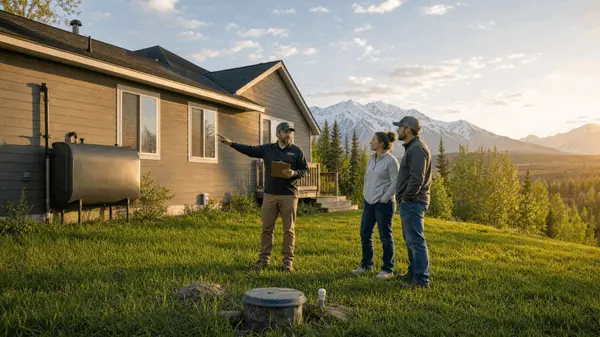
Wasilla vs. Palmer: Which Mat-Su Valley Community Is Right for You?
Wasilla vs. Palmer: Which Mat-Su Valley Community Is Right for You? By Paul Oehlerts, AK Properties For Sale | Real Broker LLC Wasilla and Palmer are the two core communities of the Matanuska-Susitna Valley, and they are the two areas where I help the most buyers and sellers. They sit roughly 10 mil
Moving to Alaska: An Honest Guide to What Life Is Really Like
Moving to Alaska: An Honest Guide to What Life Is Really Like By Paul Oehlerts, AK Properties For Sale | Real Broker LLC If you are considering a move to Alaska, you have probably already seen the stunning mountain photos, read about the Permanent Fund Dividend, and imagined a life with more space a
Selling a Home in Alaska: Timing, Pricing, and What to Expect
Selling a Home in Alaska: Timing, Pricing, and What to Expect By Paul Oehlerts, AK Properties For Sale | Real Broker LLC Selling a home in Alaska involves considerations that national real estate advice rarely covers. Seasonal timing matters more here than in most markets. Septic testing and COSA in

"My job is to find and attract mastery-based agents to the office, protect the culture, and make sure everyone is happy! "