
Selling a Home in Alaska: Timing, Pricing, and What to Expect
By Paul Oehlerts, AK Properties For Sale | Real Broker LLC
Selling a home in Alaska involves considerations that national real estate advice rarely covers. Seasonal timing matters more here than in most markets. Septic testing and COSA inspections can surprise sellers who have never dealt with them. Disclosure requirements have Alaska-specific elements. And closing costs, while manageable, need to be understood before you list so there are no surprises at the closing table. This guide covers the practical realities of selling residential property in the Anchorage and Mat-Su Valley markets. For the complete step-by-step selling process, the Alaska Home Seller's Guide walks through everything from pricing strategy to closing day. If you have specific questions, the Seller FAQs address the most common ones I hear. And if you want to understand what your home might be worth right now, the Home Evaluation tool is a good starting point.
Alaska Home Selling: Quick Reference
Timing Your Sale: When Alaska's Market Works in Your Favor
In Alaska, seasonal patterns have a larger effect on home sales than in most other states. Daylight, weather, road conditions, and buyer behavior all shift dramatically between seasons, and understanding these patterns can make a meaningful difference in your outcome.
May through July is generally the strongest window for sellers. More buyers are actively searching, inventory is at its highest, homes show better in natural light, and inspections, including septic testing and well flow testing, are easier to schedule and complete. Homes listed during this period tend to sell faster and closer to asking price. According to market data, June is consistently the strongest month for both sale price and speed in Alaska.
That said, winter is not a bad time to sell. There are fewer listings on the market, which means less competition for the buyers who are looking. Many winter buyers are motivated by job relocations, military PCS moves, or life changes that cannot wait for spring. If your home is well-maintained, well-photographed, and priced correctly, it can absolutely sell in December or January.
Why Timing Matters More in Alaska
In most of the country, seasonal patterns are about buyer preference. In Alaska, they are about logistics. A septic drain field test requires unfrozen ground. An exterior inspection in December means working in limited daylight. A roof inspection under two feet of snow is not practical. These realities do not prevent sales, but they shape the timeline and the buyer's ability to perform due diligence. Selling in summer removes these barriers. Selling in winter requires understanding and planning for them.
| Season | Seller Advantages | Seller Challenges | Best Strategy |
|---|---|---|---|
| Spring (Apr-May) | Rising buyer activity, improving daylight | Muddy yards, spring thaw issues visible | List late April or May when yard cleans up |
| Summer (Jun-Aug) | Peak demand, best photos, easy inspections | Most competition from other sellers | Price right from day one; do not test the market |
| Fall (Sep-Oct) | Motivated buyers before winter, fall colors | Shrinking daylight, buyer urgency drops | List early September, price competitively |
| Winter (Nov-Mar) | Less competition, motivated buyers | Limited inspections, fewer showings, dark photos | Excellent interior photos, flexible showing times |
Seasonal patterns are generalizations. Specific conditions vary year to year. Work with your agent to assess current market timing.
Pricing Strategy: Getting It Right in a Small-Inventory Market
Pricing a home in Alaska requires a different mindset than pricing in a high-volume market like Phoenix or Dallas. In the Mat-Su Valley and parts of Anchorage, the number of comparable sales within your neighborhood may be limited. That means your Comparative Market Analysis (CMA) may need to draw from a wider geographic area, and it means pricing errors are harder to recover from.
In early 2025, approximately 20% of Alaska homes sold with price reductions. That number represents sellers who overpriced from the start and had to adjust. An overpriced home in a market like Wasilla or Palmer does not just sit longer, it also raises questions in buyers' minds about whether something is wrong with the property. As I cover in the Seller's Guide, we track online buyer behavior closely after launch: views, saves, showing requests, and feedback patterns. If a listing is getting high views but low saves, that commonly signals a pricing issue. If showings come in but no offers follow, the in-person experience is not matching the price expectation.
Why Overpricing Costs You Money in Alaska
In high-volume markets, an overpriced home might still attract attention through sheer traffic. In Alaska's smaller markets, your buyer pool is more limited. Serious buyers are watching inventory closely and know when a home is priced above comparables. An overpriced listing gets skipped. After 30-60 days on market, the listing goes stale, and eventual price reductions often lead to a final sale price lower than what you would have gotten with correct pricing from day one. The data supports this: homes that sell within the first two weeks of listing typically sell closer to asking price than homes that linger.
The most effective approach is to work with your agent on a CMA that accounts for Alaska-specific factors: heating system type, utility infrastructure (city vs. well/septic), lot size, outbuildings, and condition. A home with natural gas heat and city sewer is worth more than an identical home on heating oil and septic, all else being equal, and your pricing should reflect that. For a starting estimate of your home's value, try the Home Evaluation tool, then schedule a consultation for a full CMA.
When Standard Pricing Approaches Fall Short
If your property is on acreage, has significant outbuildings, or is in a location with very few comparable sales, a standard CMA may not capture your home's value accurately. In these cases, a pre-listing appraisal ($400-$500) can be worth the investment. It gives you a defensible price point and helps avoid the back-and-forth of buyers challenging your asking price. This is especially relevant for properties in Sutton, Willow, and rural Big Lake where comps can be sparse.
What Selling Actually Costs: Alaska Closing Cost Breakdown
One of the biggest advantages of selling in Alaska is what you do not pay. Alaska has no state transfer tax and no state income tax, which means no state capital gains tax on your sale proceeds. That is a significant savings compared to most other states. However, sellers still have real costs that need to be planned for. Most sellers pay around 8-10% of the sale price in total closing costs when you include agent commissions, and I provide a custom net sheet before we list so you know exactly what to expect.
| Cost Category | Typical Range | On a $385,000 Sale | Notes |
|---|---|---|---|
| Agent Commission | 5-6% total | $19,250 - $23,100 | Split between listing and buyer's agent |
| Title & Escrow Fees | $1,500 - $3,000 | ~$2,000 | Title search, insurance, closing services |
| Prorated Property Tax | Varies | $1,000 - $3,000 | Based on your tax rate and closing date |
| Recording Fees | $50 - $100 | ~$65 | County recording of deed transfer |
| Transfer Tax | $0 | $0 | Alaska does not charge state transfer tax |
| Septic/Well Testing | $425 - $750 | $425 - $750 | Seller pays 100% of the time; VA add-on +$75-$100 |
| COSA (Anchorage only) | $526+ MOA fee | $526+ | Required for well/septic homes in MOA |
| Appraisal Reimbursement | $950 - $1,200 | $950 - $1,200 | Buyer pays upfront; sellers reimburse ~90% of the time |
| As-Built Survey | $400 - $1,300 | $400 - $1,300 | Recertification $400-$600; new as-built $700-$1,300 |
| Repairs/Concessions | Negotiable | Varies | Depends on inspection findings and negotiation |
Closing costs for sellers in Alaska average approximately 8-10% of the sale price including commissions. Septic/well testing and appraisal reimbursement costs from Paul Oehlerts' transaction experience. COSA fee per Municipality of Anchorage.
Example: Net Proceeds on a $385,000 Sale
If you sell a home at $385,000 with a remaining mortgage balance of $220,000, here is a rough breakdown: agent commissions (~5.5%) of $21,175, other closing costs (title, escrow, prorated taxes, testing) of approximately $6,000-$8,000, appraisal reimbursement of ~$1,000, mortgage payoff of $220,000, leaving estimated net proceeds of approximately $135,000-$137,000. This does not include any negotiated repairs or concessions. I provide a custom Seller's Net Sheet before we list so you see the full picture from day one. The Seller's Guide covers all of these costs in detail.
Disclosures, COSA, and Seller Obligations in Alaska
Alaska law requires sellers to complete a Residential Real Property Transfer Disclosure Statement before a buyer makes a written offer. This is a detailed form covering the condition of your home's structure, systems, and known defects. It is not a formality. Sellers who provide incomplete or inaccurate disclosures face legal liability for actual damages under Alaska statute AS 34.70.
What Alaska's Disclosure Form Covers
The disclosure form asks about structural components (roof, walls, foundation, gutters), mechanical systems (heating, plumbing, electrical), environmental conditions (flooding, lead paint for pre-1978 homes, radon), and site-specific issues. One element that is unusual about Alaska's form is that it requires sellers to estimate monthly utility costs. This is a practical requirement given that heating costs vary so dramatically by system type and can be a deciding factor for buyers.
You are disclosing what you know or should reasonably know from living in the home. You are not required to hire an inspector or conduct independent investigations, but you cannot ignore obvious issues. If the basement floods every spring and you say nothing, that is a legal problem.
COSA: The Anchorage Septic Requirement Sellers Must Know
If your property is within the Municipality of Anchorage and has a private well or septic system, you are required to obtain a Certificate of On-Site Systems Approval (COSA) before the title can transfer. This has been in effect since 1998 and is rigorously enforced.
COSA Requirements (Municipality of Anchorage)
Septic drain field adequacy test: Must be performed within the last two years, or the drain field must have been constructed within the last two years.
Septic tank pumping: Must be pumped within the previous year.
Well flow test: Must be completed within the last two years.
Water quality testing: Arsenic results less than one year old. Bacteria and nitrate results less than 90 days old at closing.
MOA review fee: $526 (paid to the Municipality for review and COSA issuance).
If the system fails: A new system must be designed, permitted, and installed. The Municipality requires an escrow of 1.5x the highest bid if the sale proceeds before installation is complete.
What a Failed Septic Costs in Alaska
If your septic system fails testing, the replacement costs depend on what is needed. These numbers are from actual Alaska transactions:
| Repair Type | Typical Cost | When Needed |
|---|---|---|
| Septic Tank Only | $7,000 - $9,000 | Tank has failed but drain field is adequate |
| Septic + Leach Field | $18,000 - $23,000 | Both tank and drain field need replacement |
| Lift Station System | $28,000 - $32,000 | High water table areas requiring pumped system |
| Standard Testing | $425 - $650 | Routine septic and well testing (seller pays) |
| VA Water Testing Add-On | +$75 - $100 | Nitrite, nitrate, lead testing for VA buyers |
Costs from Paul Oehlerts' Alaska transaction experience. Actual costs vary by engineer, site conditions, and season.
An important reality: sellers pay for septic and well testing 100% of the time in our market. If a seller expects the buyer to cover a failed system, the deal almost always falls apart. Buyers are already paying for their own inspections, appraisal fees, moving costs, and potentially closing costs. They are not going to absorb a five-figure septic bill on top of the purchase price.
The good news is there are workable options if your system fails. In many cases, the repair can be structured so the contractor is paid at closing from the seller's proceeds, avoiding large out-of-pocket costs upfront. Conventional buyers may also be able to use an escrow holdback arrangement, allowing the sale to close before the work is completed. The Seller FAQs go into more detail on how these solutions work.
The Hidden COSA Surprise: Bedroom Count Mismatch
A common issue that catches sellers off guard: the septic system was originally designed for a certain number of bedrooms. If the home was later expanded, perhaps finishing a basement and adding bedrooms, the septic system may not be documented or sized for the current bedroom count. Even if the system has been working fine for years, the engineering review may flag this mismatch, potentially requiring a redesign. Check your septic records before listing, not after you have accepted an offer.
Outside of the Municipality of Anchorage, the Alaska Department of Environmental Conservation (DEC) manages septic records. The COSA process does not apply in the Mat-Su Borough, but lenders (especially VA and FHA) have their own testing requirements for well and septic systems. Sellers in Wasilla, Palmer, Big Lake, Willow, and Sutton should still plan for these inspections and have documentation ready.
Preparing Your Alaska Home for Sale
Alaska homes face wear that homes in milder climates do not. Freeze-thaw cycles on driveways, ice damming on roofs, heating system wear, and exterior weathering are all common. Addressing these before listing removes objections before buyers even walk through the door.
Pre-Listing Inspections: A Powerful Strategy
One of the strongest moves a seller can make is getting a pre-listing inspection before going to market. Homes with completed inspections provided on the MLS tend to sell significantly faster than homes without one. A pre-listing inspection costs $250-$400 in Alaska, and it gives you the ability to identify and address issues on your own terms rather than reacting to a buyer's inspector during negotiations. If repairs are completed beforehand, you can market that as a selling point. The Seller's Guide covers this strategy in detail.
High-Impact Preparations
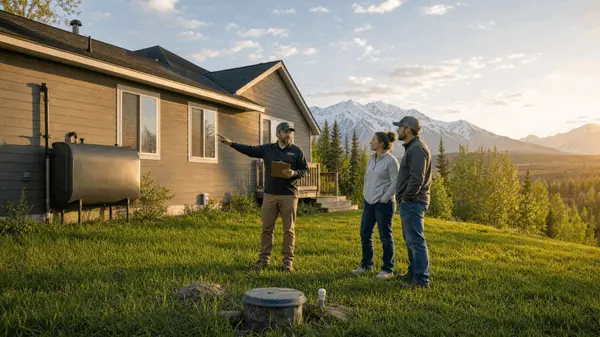
Heating system service. Have your furnace or boiler serviced and get documentation. Buyers in Alaska always ask about the heating system, and a recent service record answers questions before they arise. If you have a heating oil tank, verify it is in good condition and has no leaks.
Exterior and roof. Ice dam damage, gutter issues, and peeling paint are visible immediately and create negative first impressions. Addressing these is relatively inexpensive compared to the price reduction an unmaintained exterior can cause.
Septic and well (if applicable). If you need a COSA, start the process early. If you are in the Mat-Su Valley, get your septic pumped and have records available. Proactive sellers who have testing completed before listing remove a major source of delay and buyer anxiety.
Utility bills. Alaska's disclosure form asks for estimated monthly utilities, and buyers will want specifics. Have at least 12 months of utility bills available. This transparency builds trust and helps buyers budget accurately.
Photography timing. This matters more in Alaska than almost anywhere. Schedule professional photos when your yard looks its best, snow is off the driveway, and natural light is available. If you are listing in winter, make sure the interior is well-lit and the exterior is photographed during the brightest hours of the day.
Why Pre-Listing Preparation Pays Off in Alaska
In a market where buyer pools are smaller and inspections can uncover Alaska-specific issues (septic, well, heating), a prepared seller has a significant advantage. Homes that come to market with a clean inspection report, a recent COSA or septic pump receipt, and organized utility records sell faster and with fewer renegotiations. Every objection you remove before listing is a potential deal-killer you have eliminated.
The Alaska Closing Process from the Seller's Side
Alaska's closing process has a few features that differ from other states, and understanding them helps you plan the transition from your current home. The contract-to-close timeline is typically 33-60 days, with 45 days or less being most common in straightforward transactions. Speed depends on loan type, lender turn times, appraisal scheduling, inspection negotiations, and title workload. The Seller's Guide covers the full contract-to-close timeline in detail.
Sign before closing day. In Alaska, sellers typically sign closing documents the business day before the deed is recorded. The title company handles recording the following business day. This means your last day of ownership is not the day you sign. Plan your move-out around the recording date, not the signing date.
No dual agency. Alaska law prohibits dual agency. Your listing agent represents your interests exclusively, and the buyer's agent represents the buyer. This is a significant protection for sellers because it means your agent's advice is never compromised by obligations to the other side. While this may seem like a buyer protection, it equally ensures your agent is fighting for your best outcome without conflict.
Title companies handle escrow. Alaska does not require an attorney for real estate transactions. Title companies manage the escrow, perform the title search, coordinate recording, and facilitate the closing. This typically keeps closing costs lower than attorney-state closings.
Earnest money. When a buyer makes an offer, they deposit earnest money into escrow. If the deal closes, this is applied to the purchase price. If the buyer defaults outside of contract contingencies, the earnest money may be released to you. The amount varies but is typically $5,000 or more in the Anchorage and Mat-Su markets.
Thinking About Selling Your Alaska Home?
Whether you are ready to list this spring or just starting to think about your options, a clear understanding of your home's value and selling costs is the first step. I will walk you through a pricing analysis, explain exactly what to expect, and help you make the best decision for your situation.
Frequently Asked Questions
What is the best time of year to sell a home in Alaska?
May through July generally produces the best results for sellers. Buyer activity peaks, homes photograph better in natural light, and inspections including septic and well testing are easiest to complete. However, well-priced homes sell year-round. Winter listings face less competition, and motivated buyers such as military PCS transfers and job relocators are active in every season.
What is a COSA and do I need one to sell my home?
A Certificate of On-Site Systems Approval (COSA) is required for all title transfers of homes with well or septic systems within the Municipality of Anchorage. The process includes septic pumping, drain field testing, well flow testing, and water quality testing. The Municipality charges $526 for review and issuance. Start this process before listing to avoid delays. Properties outside of Anchorage, including in the Mat-Su Borough, do not require a COSA, but lenders may still require well and septic inspections.
How much does it cost to sell a home in Alaska?
Seller closing costs in Alaska average approximately 2.7% of the sale price, which is relatively low compared to many states. On a $385,000 sale, that is roughly $10,400. Add agent commissions of 5-6% and your total selling costs are approximately 8-9% of the sale price. Alaska has no state transfer tax and no state income tax, which means no state capital gains tax on your proceeds.
What disclosures are required when selling a home in Alaska?
Alaska law requires sellers to complete a Residential Real Property Transfer Disclosure Statement before a buyer makes a written offer. This form covers structural components, mechanical systems, environmental conditions, utility costs, and known defects. You are required to disclose what you know from living in the home, though you do not need to hire an inspector. Incomplete or inaccurate disclosures can result in legal liability for actual damages.
Should I get a pre-listing inspection in Alaska?
A pre-listing inspection is not required, but it can be a smart strategic move. It costs $250-$400 in Alaska and identifies issues before a buyer's inspector finds them. This gives you the opportunity to make repairs on your terms, or price accordingly. It is especially valuable for older homes or properties with well and septic systems, where surprises during buyer inspections can derail deals or lead to expensive renegotiations.
How does Alaska's closing process work for sellers?
You will sign closing documents the business day before the deed is recorded. The title company records the deed the following business day, and that is when ownership officially transfers. Alaska does not require an attorney for closings; title companies handle escrow and recording. Dual agency is illegal, so your listing agent represents only you throughout the process. Plan your move-out around the recording date, not the signing date.
Do I need to disclose heating costs when selling in Alaska?
Yes. Alaska's disclosure form is unusual in that it requires sellers to estimate monthly utility costs. Given that heating costs can range from $150 to $700+ per month depending on the system type and home size, this information is material to buyers. Have at least 12 months of utility bills available. Being transparent about heating costs builds trust and avoids post-inspection surprises.
What if my septic system fails during the selling process?
If your septic system fails its adequacy test during the COSA process in Anchorage, a new system must be designed by an engineer, permitted, and installed before the COSA can be issued. Costs range from $10,000 to $30,000+ depending on site conditions. If you want to proceed with the sale before installation, the Municipality requires an escrow of 1.5 times the highest bid. This is one of the strongest reasons to test your septic system before listing, not after accepting an offer.
Browse Newest Listings in the Mat-Su Valley and Anchorage Areas
Questions about selling your Alaska home?
Paul Oehlerts provides honest, data-backed guidance for sellers across the Mat-Su Valley and Anchorage areas.
About Paul Oehlerts
Paul Oehlerts is a Real Broker LLC agent serving buyers and sellers across Alaska, including the Mat-Su Valley and Anchorage areas. A Marine Corps veteran and former TACP/JTAC, Paul brings the same discipline and clear communication from his military career to every real estate transaction. Known for his calm, educational approach, Paul helps clients navigate Alaska's unique selling considerations, from COSA requirements and seasonal timing to accurate pricing and disclosure obligations.
FROM OUR BLOG
Wasilla vs. Palmer: Which Mat-Su Valley Community Is Right for You?
Wasilla vs. Palmer: Which Mat-Su Valley Community Is Right for You? By Paul Oehlerts, AK Properties For Sale | Real Broker LLC Wasilla and Palmer are the two core communities of the Matanuska-Susitna Valley, and they are the two areas where I help the most buyers and sellers. They sit roughly 10 mil

Moving to Alaska: An Honest Guide to What Life Is Really Like
Moving to Alaska: An Honest Guide to What Life Is Really Like By Paul Oehlerts, AK Properties For Sale | Real Broker LLC If you are considering a move to Alaska, you have probably already seen the stunning mountain photos, read about the Permanent Fund Dividend, and imagined a life with more space a
Buying a Home in Alaska: What You Need to Know Before You Start
Buying a Home in Alaska: What You Need to Know Before You Start By Paul Oehlerts, AK Properties For Sale | Real Broker LLC Buying a home anywhere is a major financial decision. Buying a home in Alaska adds layers that most national guides never mention: septic systems, private wells, heating fuel ty

"My job is to find and attract mastery-based agents to the office, protect the culture, and make sure everyone is happy! "